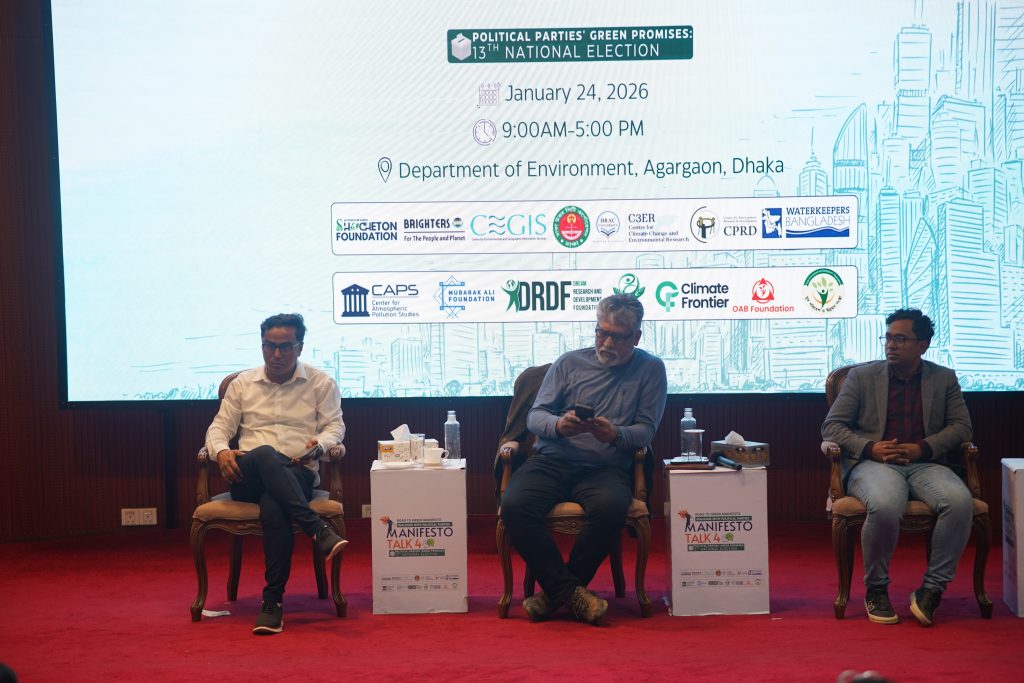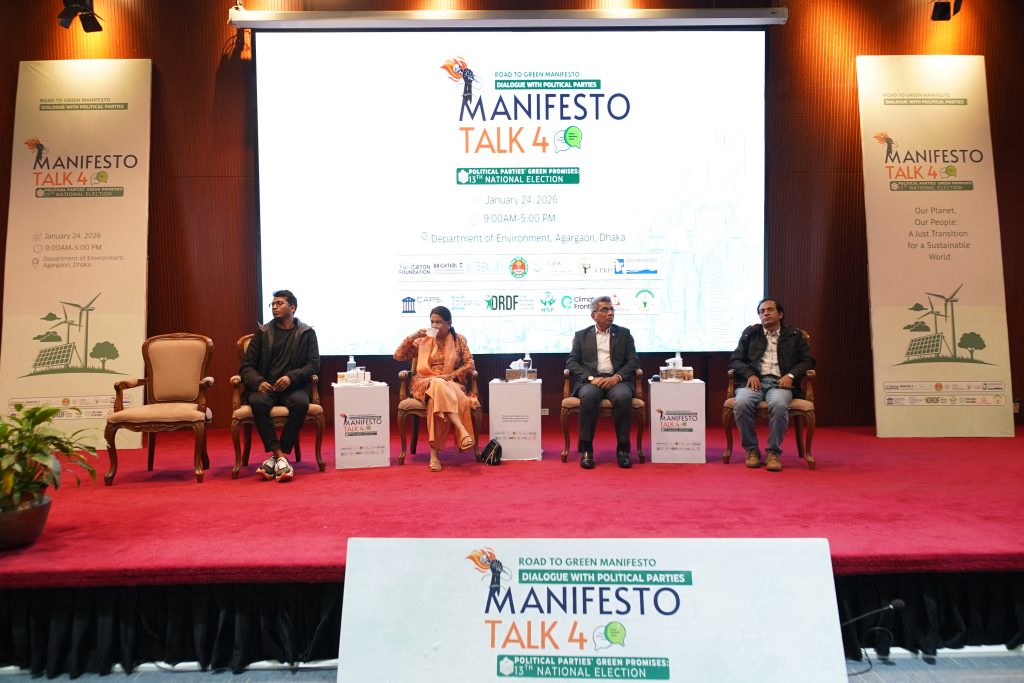

On 24 January 2024, a crucial dialogue titled “Road to Green Manifesto – Manifesto Talk 4” was held with political parties to discuss their green commitments ahead of the 13th National Election. Waterkeepers Bangladesh was among the organizers, alongside Shocheton Foundation, Brighters, CEGIS, Dhaka North City Corporation, BRAC University, Centre for Climate Change and Environmental Research, CPRD, CAPS, Mubarak Ali Foundation, DRDF, HSF, Climate Frontiers, OAB Foundation, and YEDO. The event was held at the auditorium of the Department of Environment in Agargaon, Dhaka.
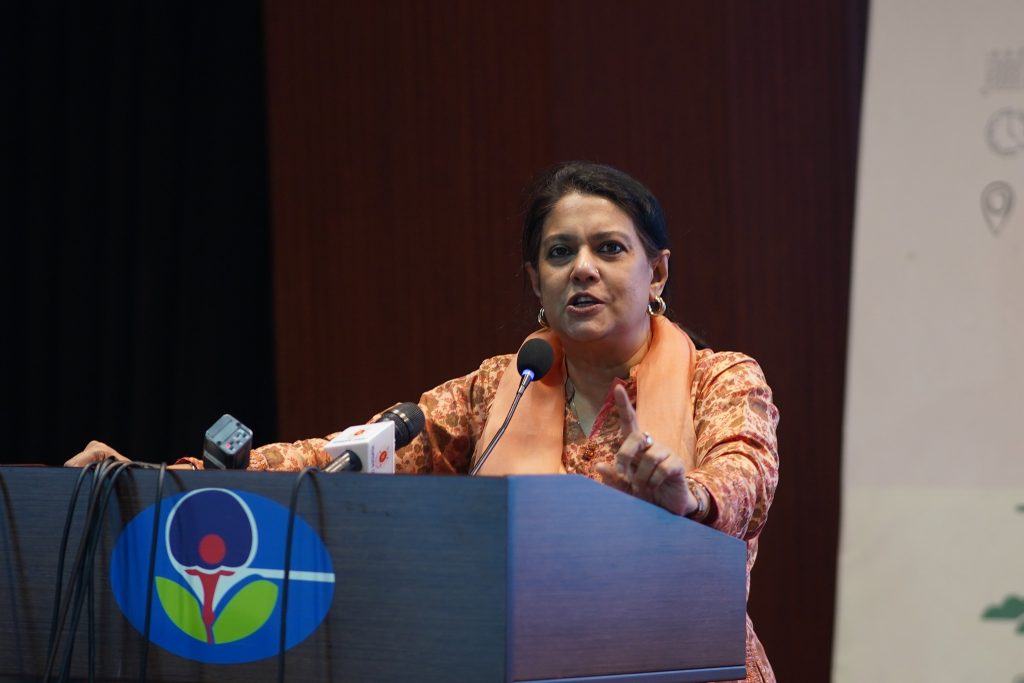
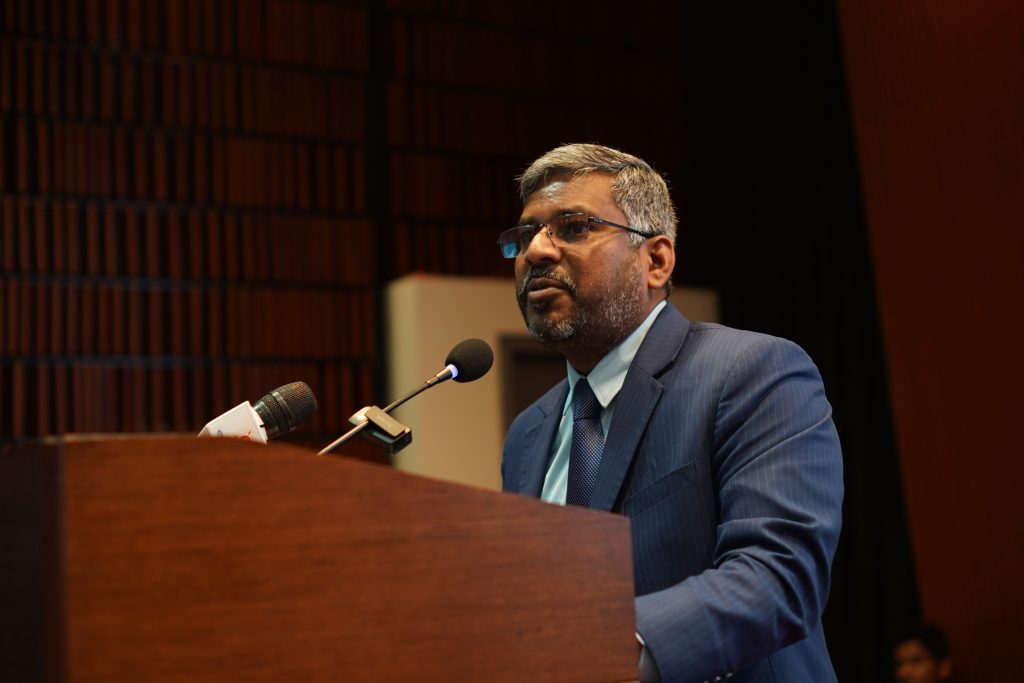
Syeda Rizwana Hasan, adviser to the interim government of Bangladesh on Environment, Forest and Climate Change, Water Resources, and Information and Broadcasting, attended the opening session as Guest of Honor. The advisor said that her department has taken a large number of initiatives for the protection of the environment, which should be continued in the future by those who will be elected in the election to be held on 12 February 2026. The session also featured participation from Sheikh Nur Ataya Rabbi, Assistant Manager – Research and Advocacy, CPRD; Syed Taposh, Head of Communications and Advocacy, Waterkeepers Bangladesh; Malik Fida A Khan, Executive Director, CEGIS; and Dr. Ahmad Kamruzzaman Majumdar, Founder and Chairman of the Center for Atmospheric Pollution Studies (CAPS), Stamford University Bangladesh. The discussion was jointly facilitated by Habibur Rahman, Chairman of Shocheton Foundation, and Fariha Aumi of Brighters.
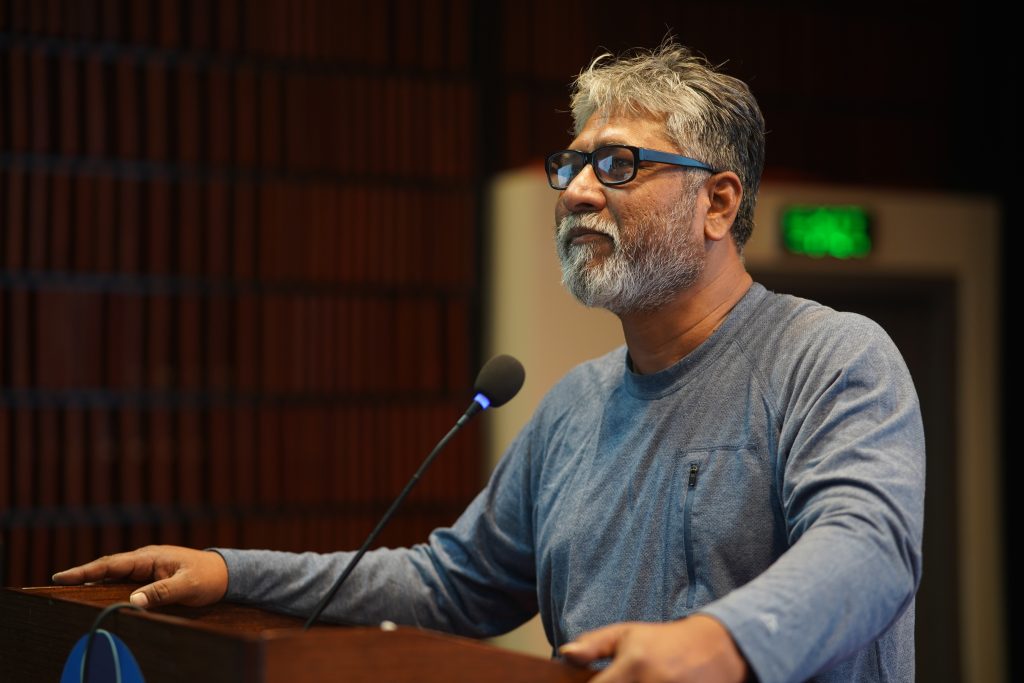
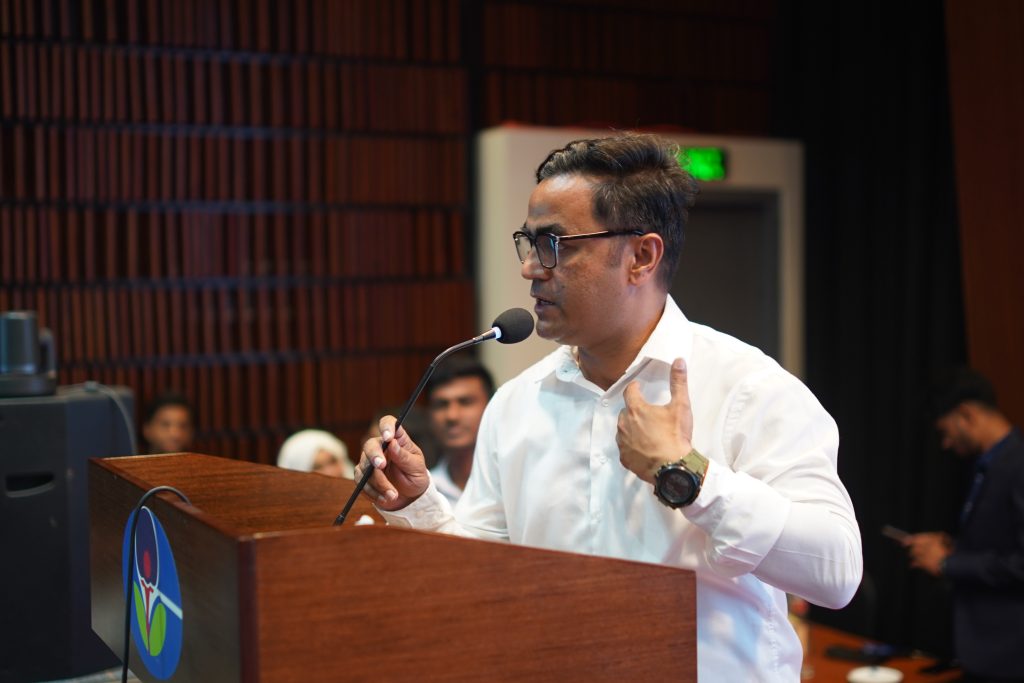
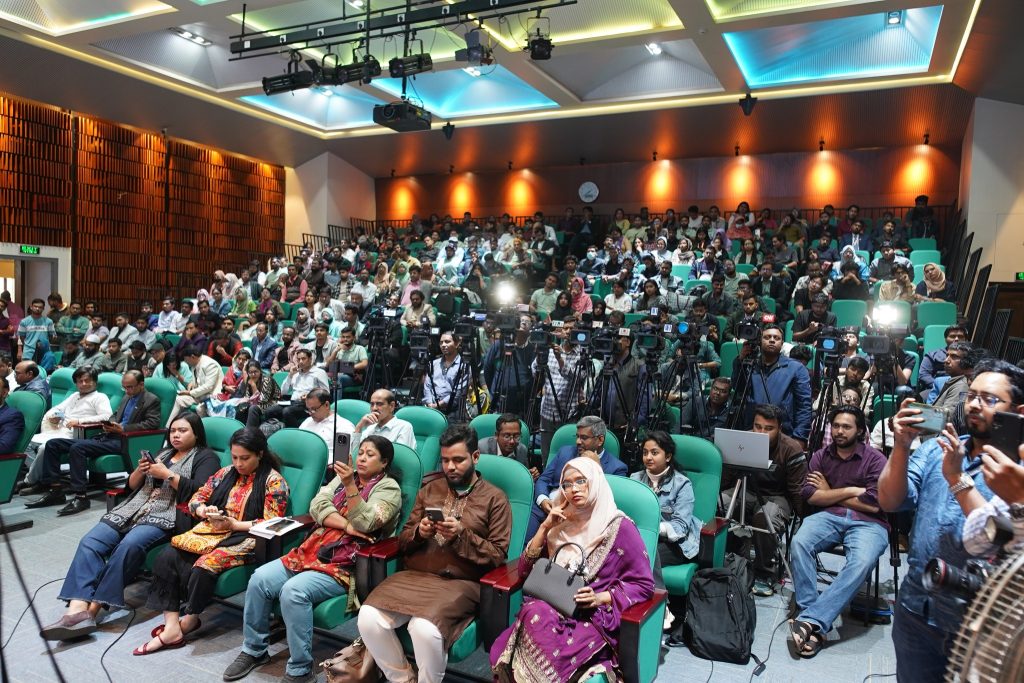
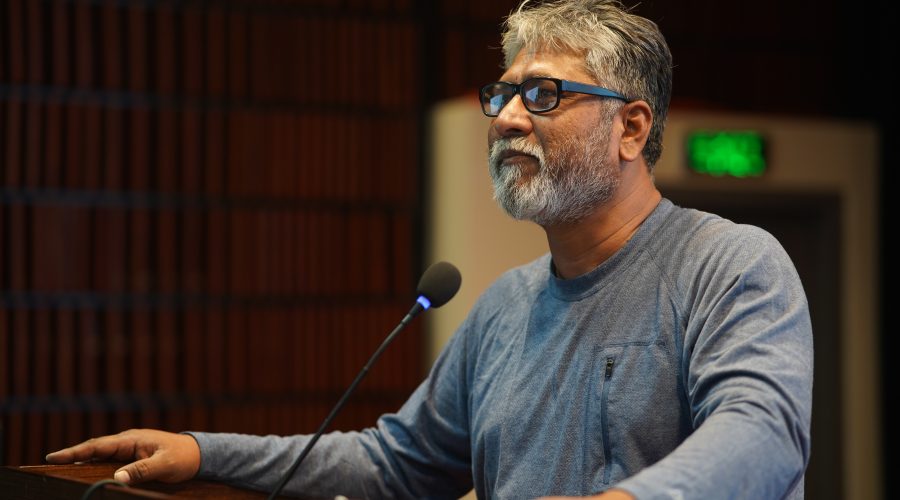
In his remarks, Syed Taposh noted that although the Bangladesh Government has formulated several master plans for the energy and power sectors over time, these plans were often designed to serve the interests of foreign business companies rather than the people of Bangladesh. He emphasized the urgent need to exert pressure on political parties contesting the upcoming parliamentary elections to commit to environmental protection and to develop policies that prioritize the interests of the nation and its citizens. On behalf of the political parties, Mr. Faslay Bari Masud, Joint Secretary General of Islami Andolon Bangladesh, attended the event. He stated that his party would include environmental issues in its election manifesto, which will be announced very soon. He further emphasized that, if elected, his party would prioritize the interests of the common people of Bangladesh. He also responded to questions from the audience, which was composed mostly of youth.
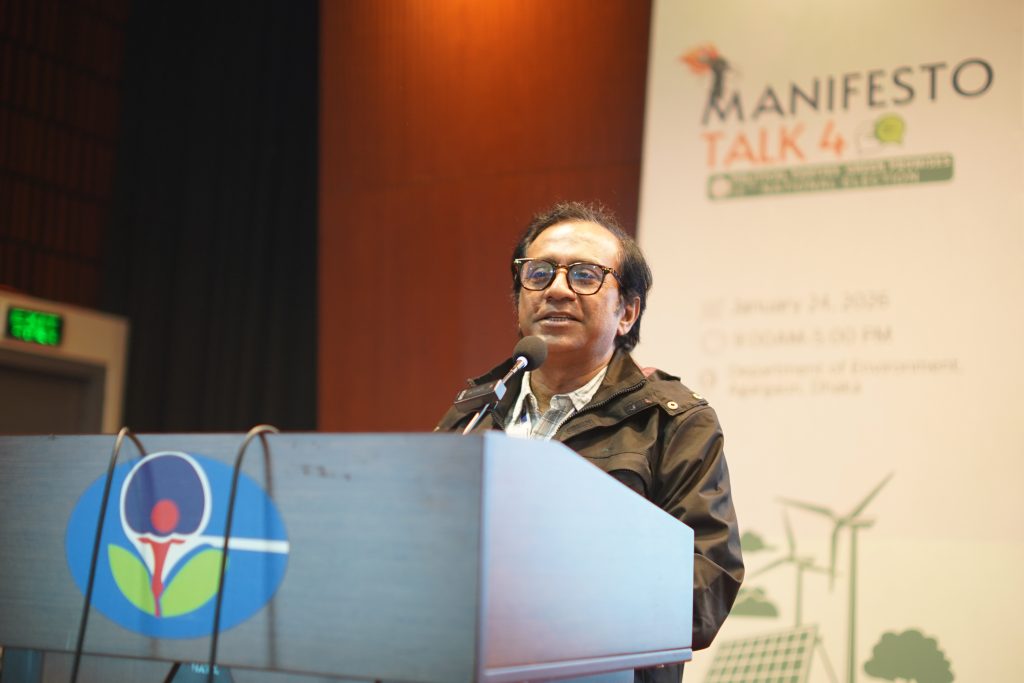
The second session was held in the afternoon in which Sharif Jamil, Coordinator of Waterkeepers Bangladesh and Member Secretary of Dhoritri Rokhhay Amra (DHORA), Mr. Mir Mohammad Ali, Assistant Professor of Sher-e-Bangla Agricultural University and Ashikur Rahman Shomi, Wildlife and Environmental Specialist attended. The session was facilitated by Chairman of Shocheton Foundation Habibur Rahman. In his speech, Sharif Jamil observed that the participation of political parties in the manifesto talks reflects a lack of seriousness among contestants regarding environmental issues. He noted that Waterkeepers Bangladesh, together with two organizations and two universities, conducted a study between 2021 and 2023 under a project that assessed air and noise pollution at 10 locations in Dhaka and water pollution at four points along the Buriganga River. The findings were presented to political parties, alongside an analysis of their election manifestos, which revealed that environmental concerns were largely neglected. Most parties included only one or two sentences on the subject in their manifestos.
He pointed out that the new chairman of BNP has shown awareness of environmental issues but stressed that the people of Dhaka continue to endure inhumane living conditions due to extreme population density. He warned that without genuine commitment from political leaders; meaningful change will not be possible. Agricultural land is disappearing at an alarming rate, and women’s participation in national development remains insufficient.
Sharif Jamil emphasized the need for a change in mindset, calling for decisive action to halt the Rampal Power Plant, which government officials already aware that it is harmful to the environment, and to remove outdated vehicles from the roads. He reminded the audience that neglecting the environment directly undermines public health, which in turn affects education and overall progress. For the sake of the nation’s future, he urged everyone to engage actively in environmental protection. He assured that Waterkeepers Bangladesh and its partners stand ready to support those committed to such efforts.