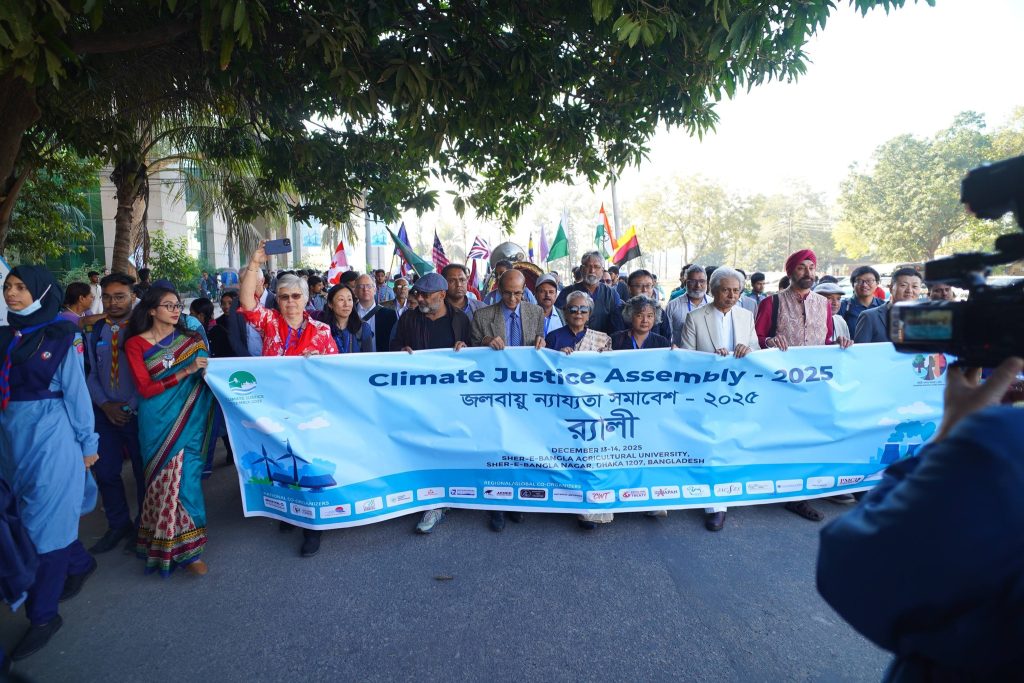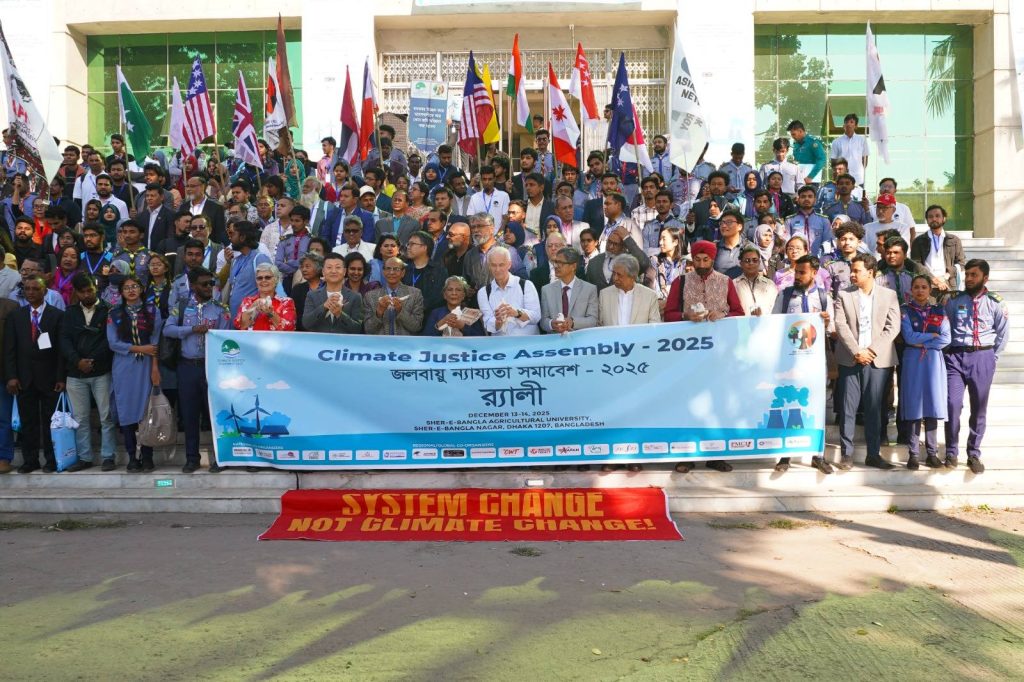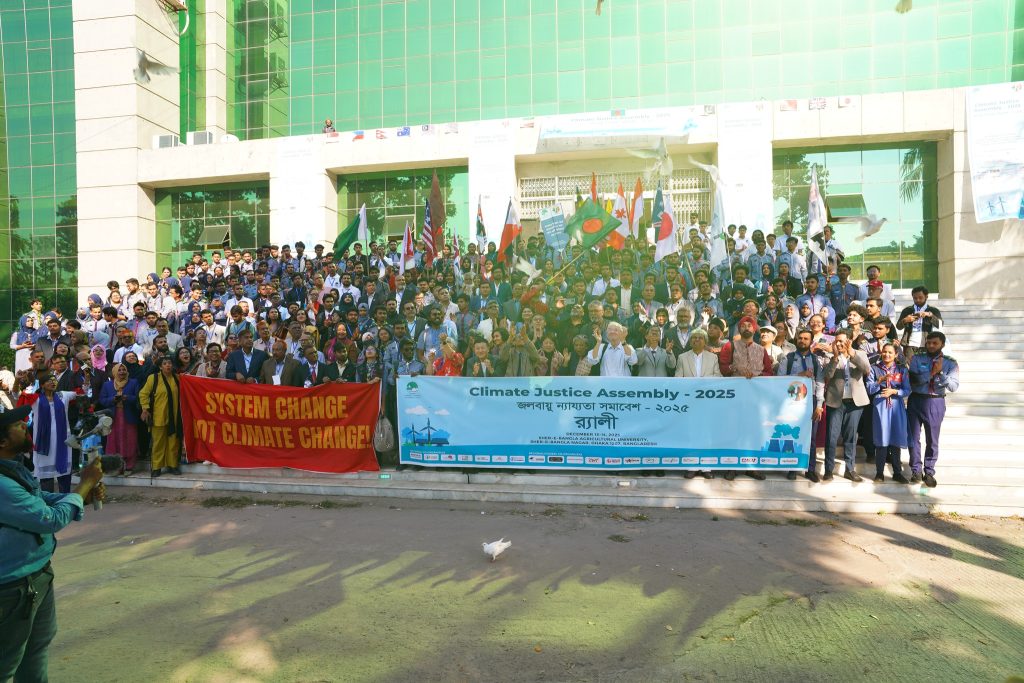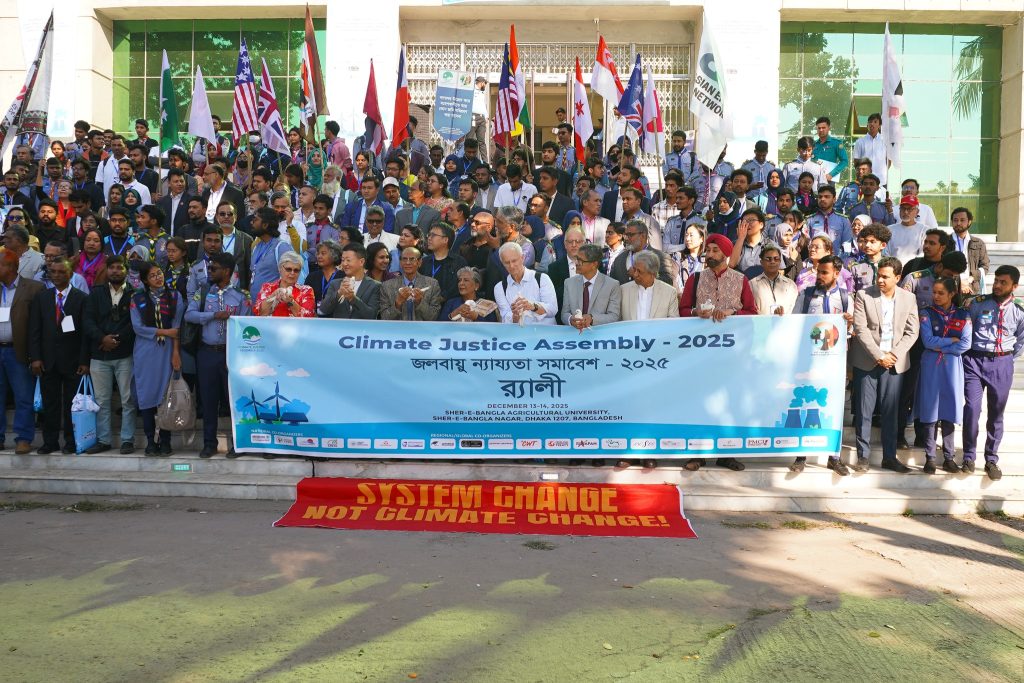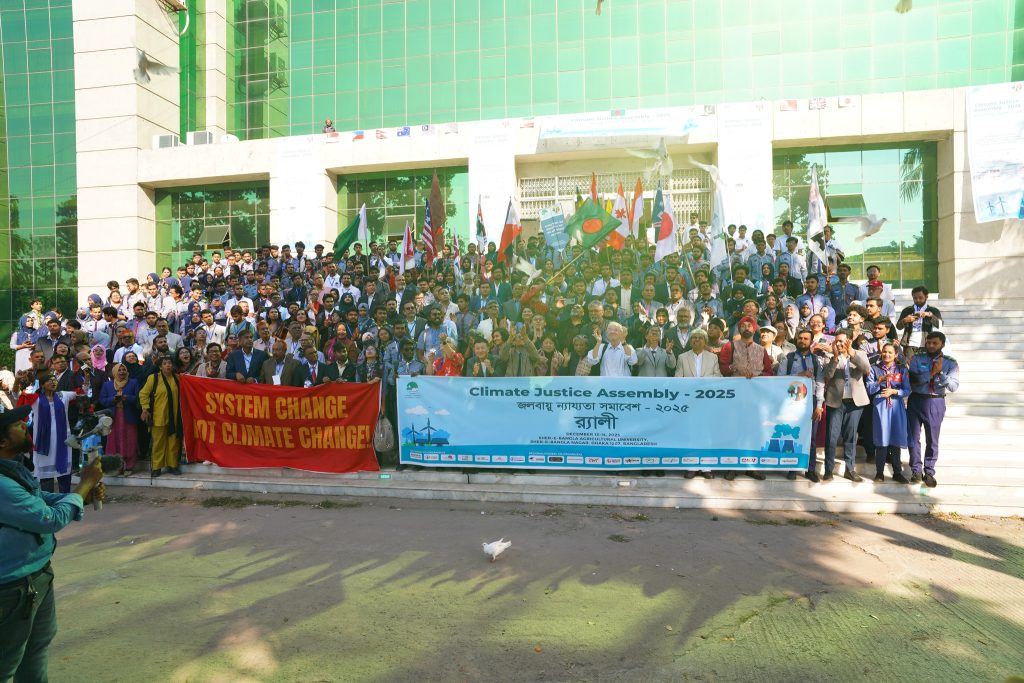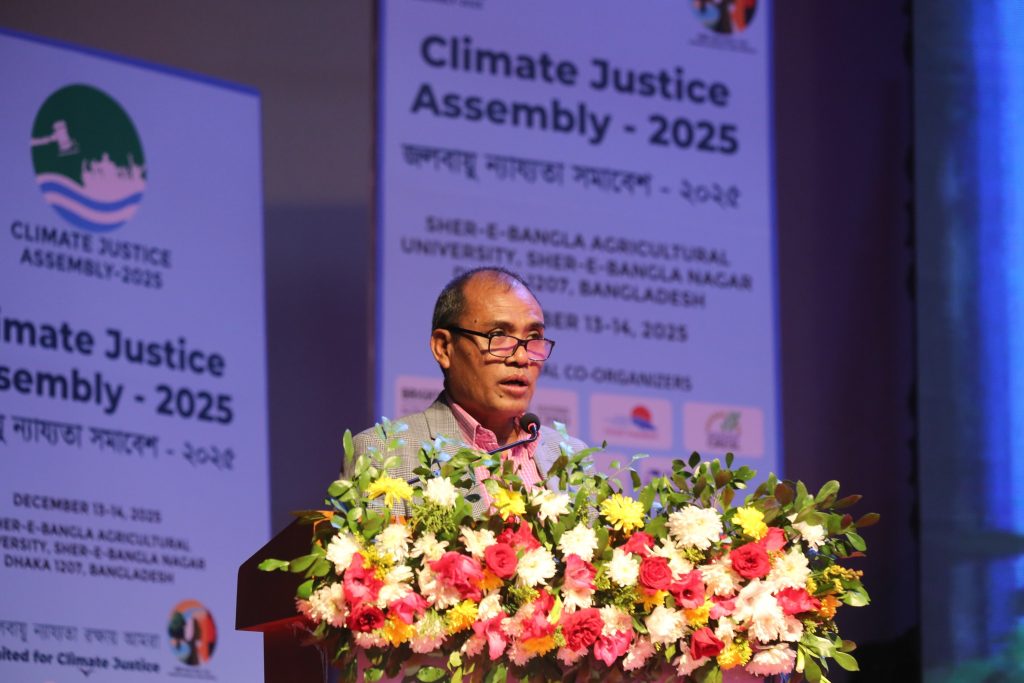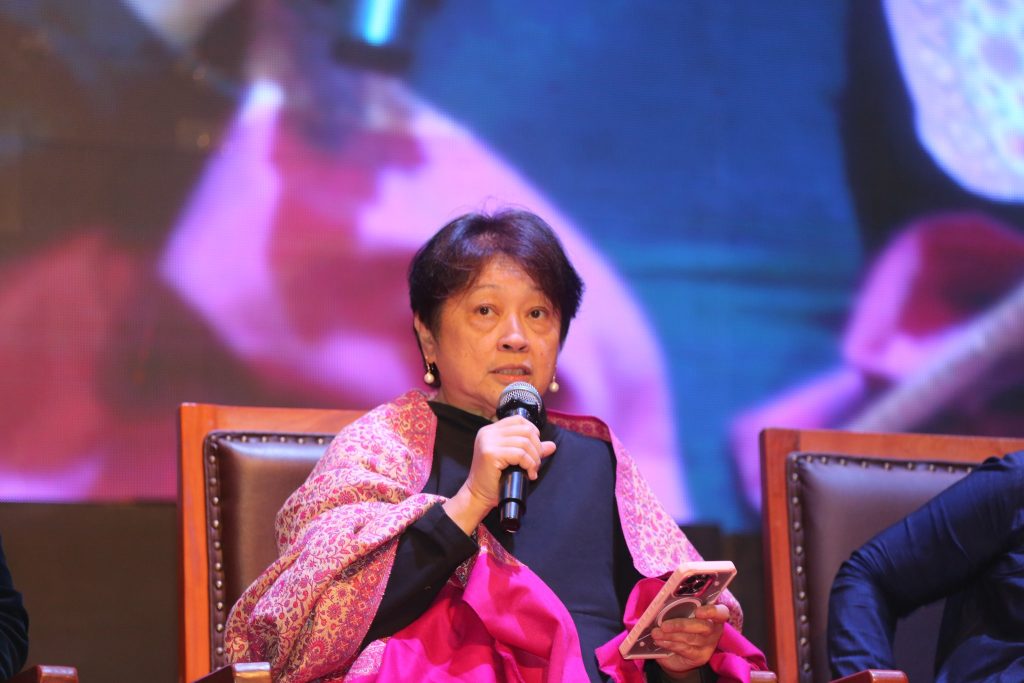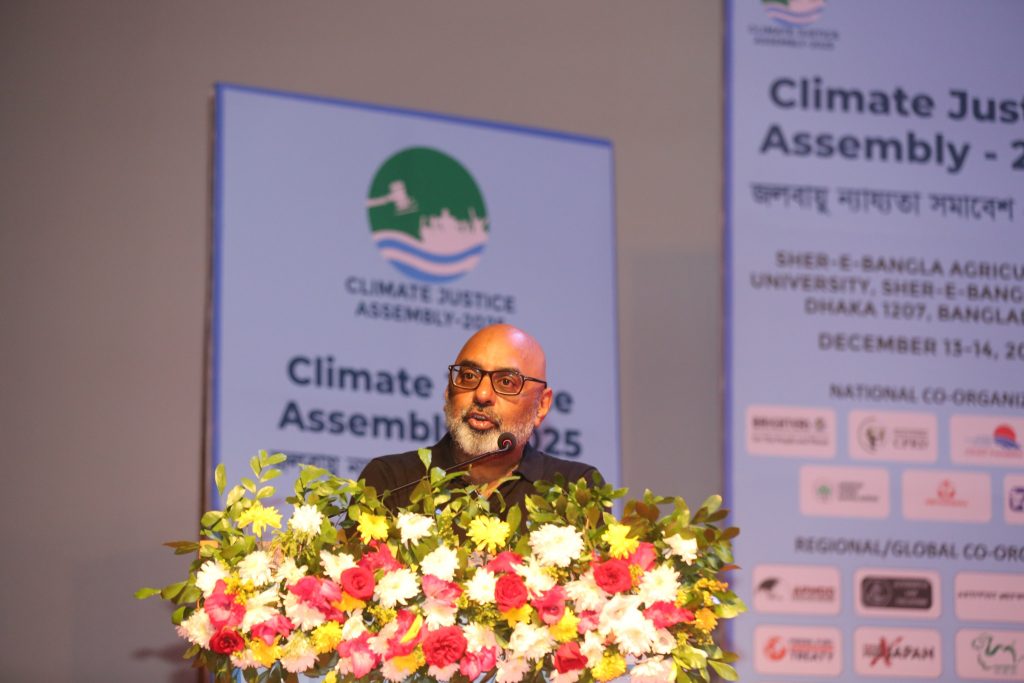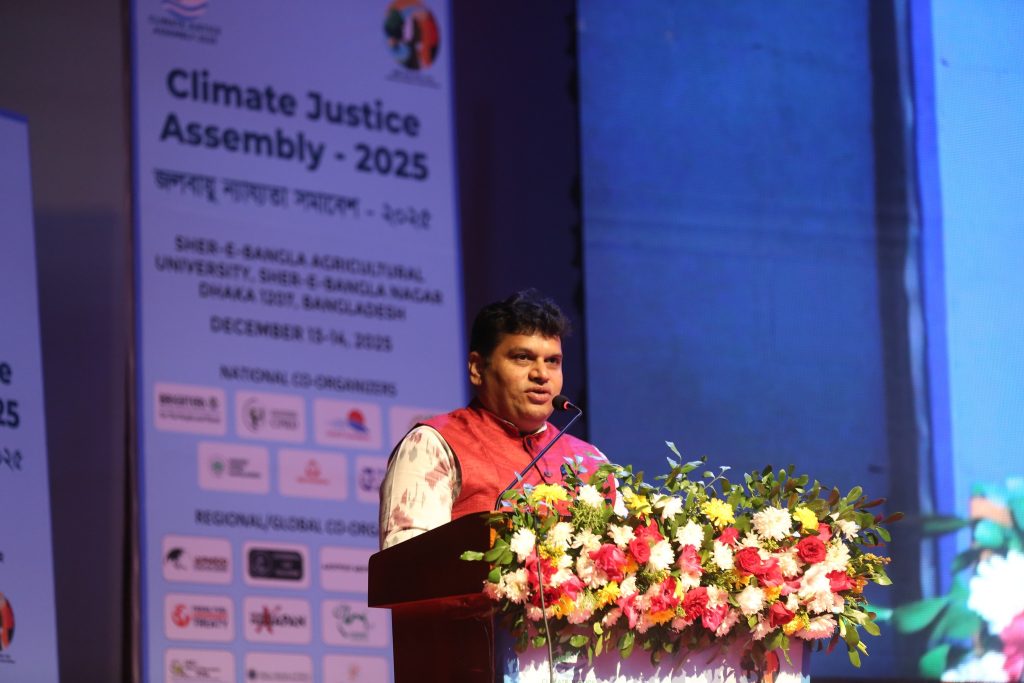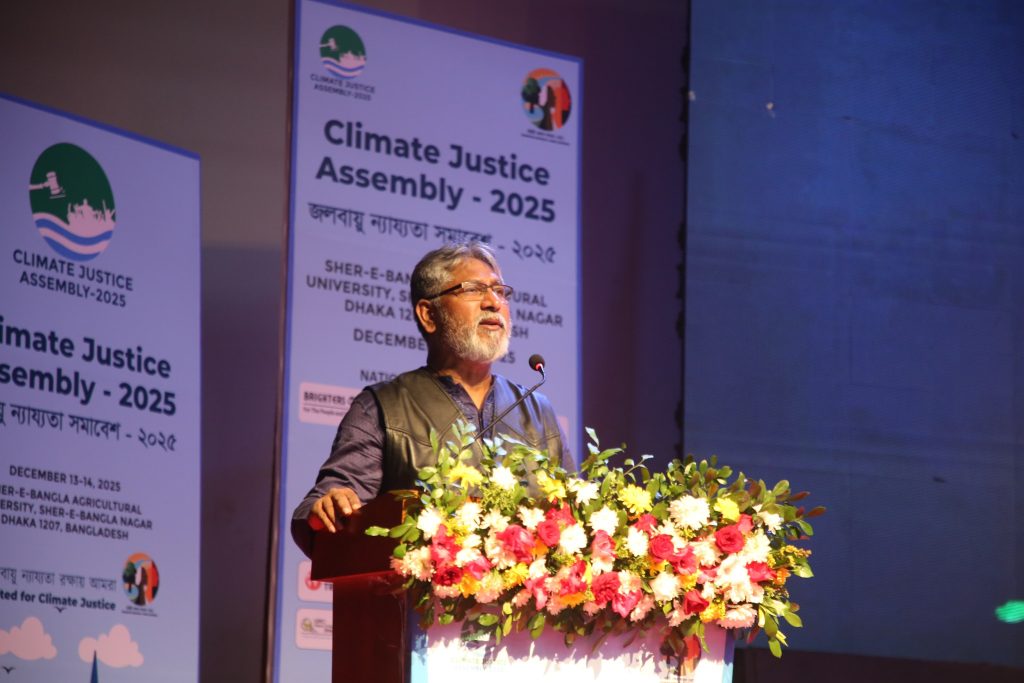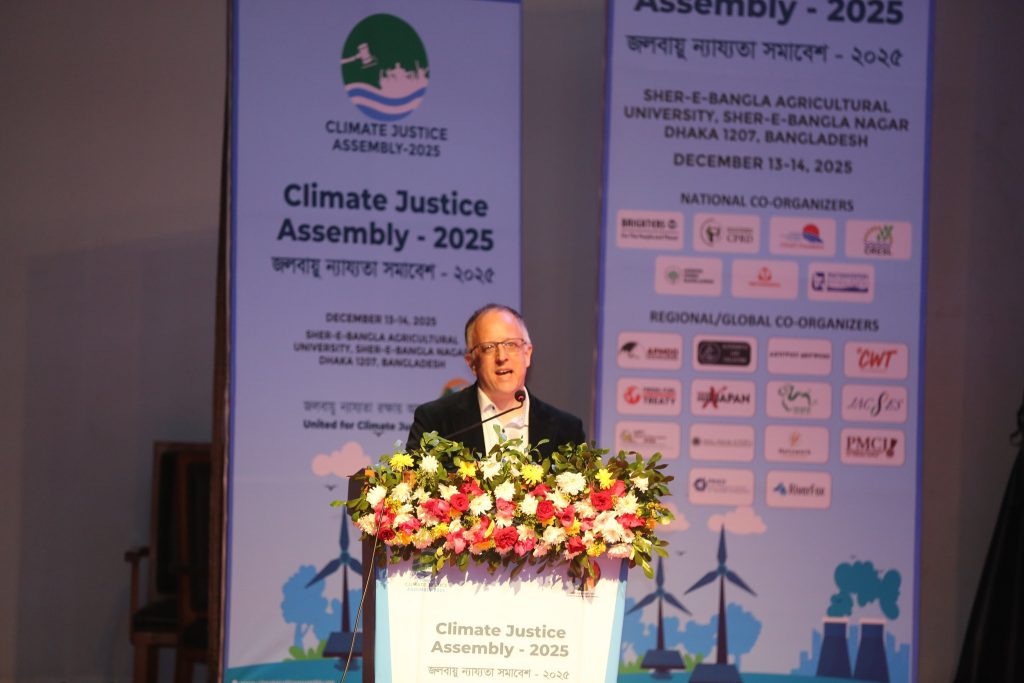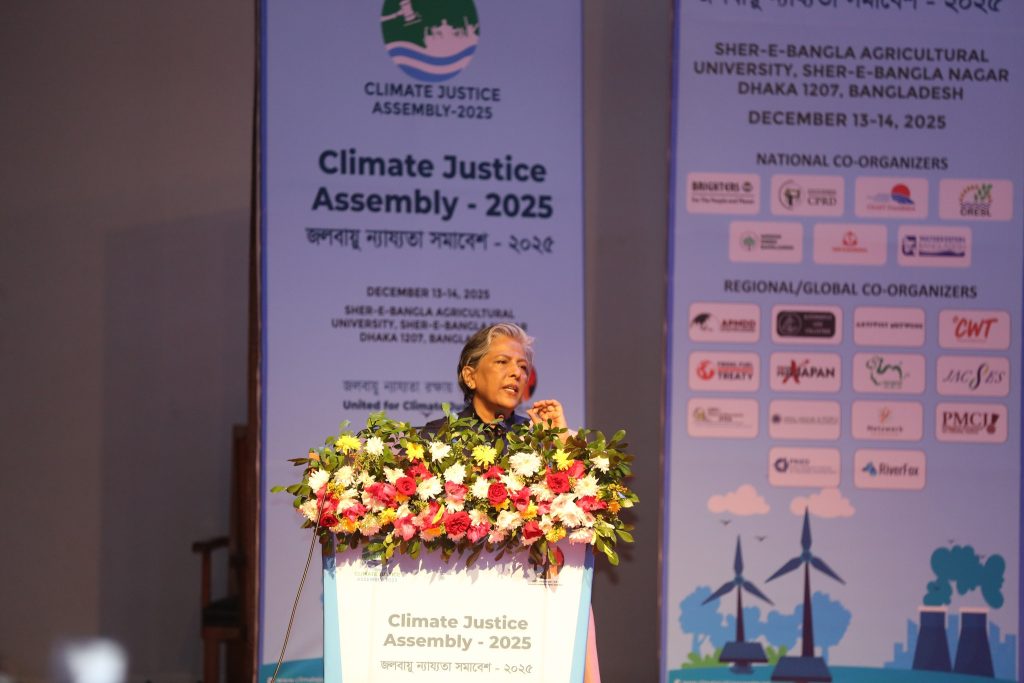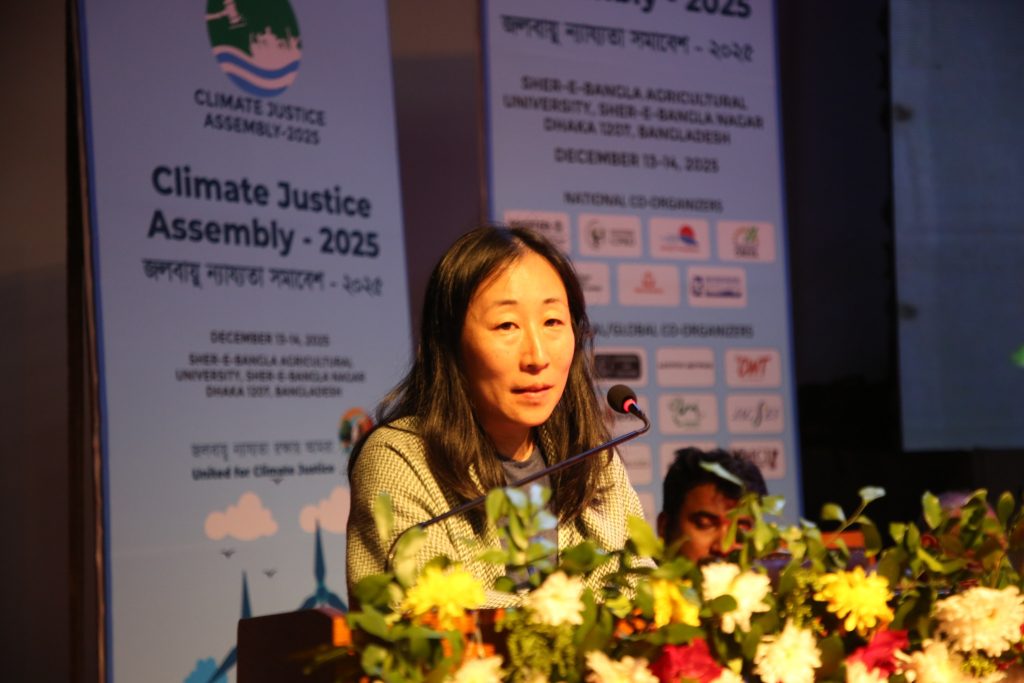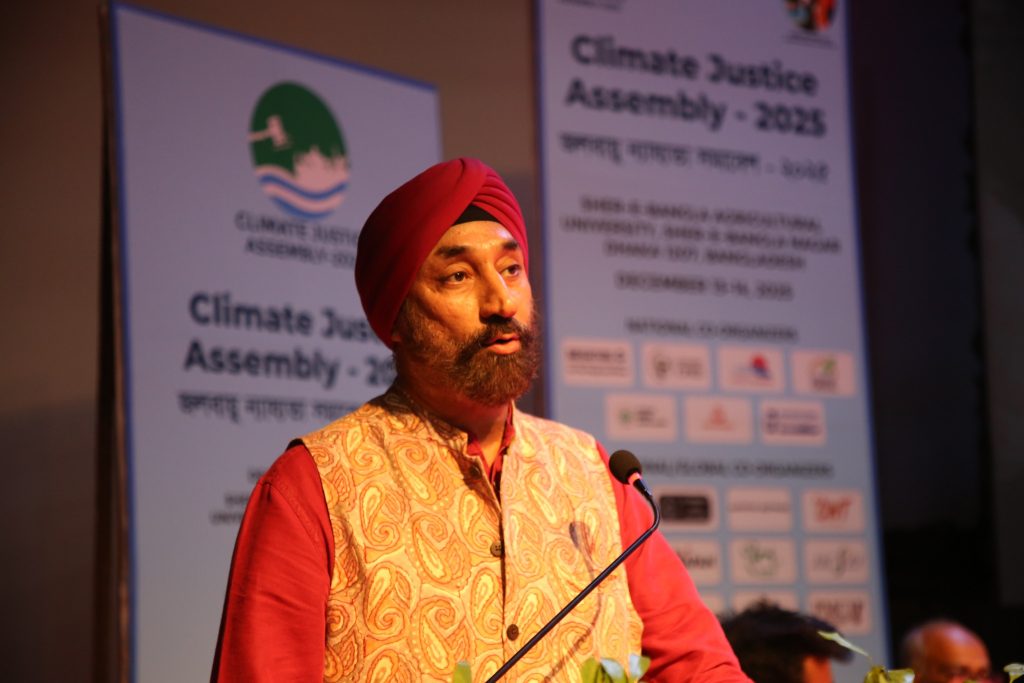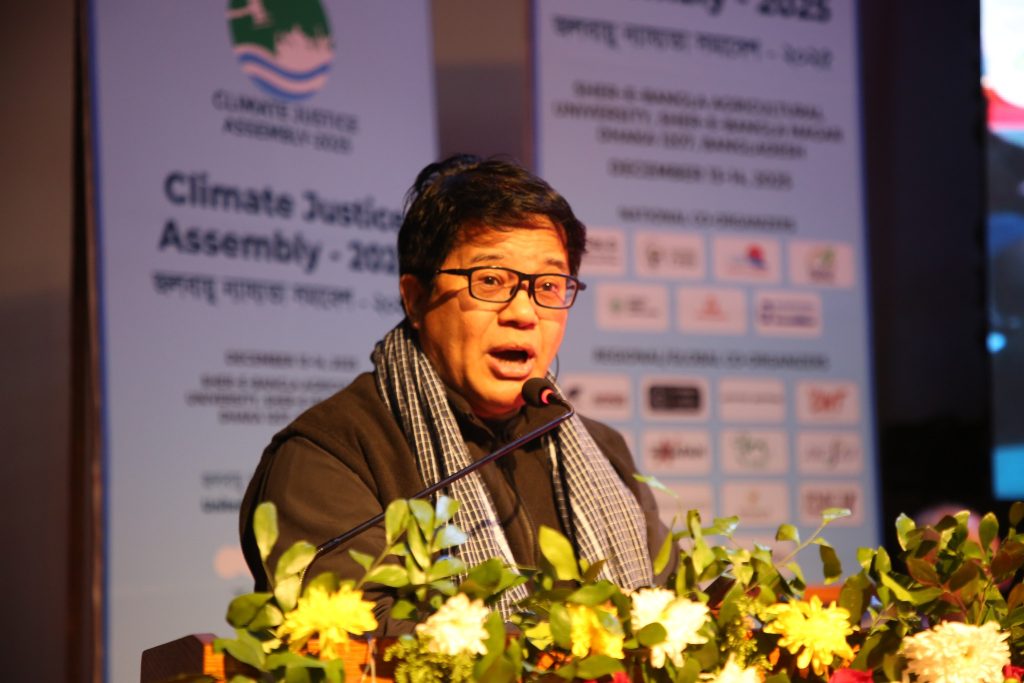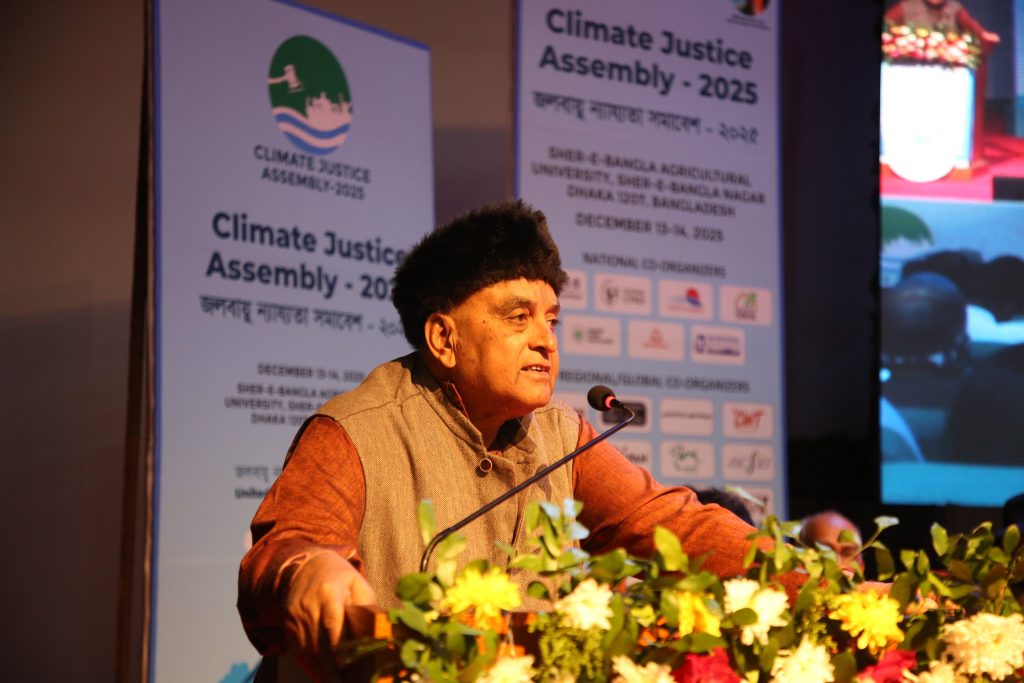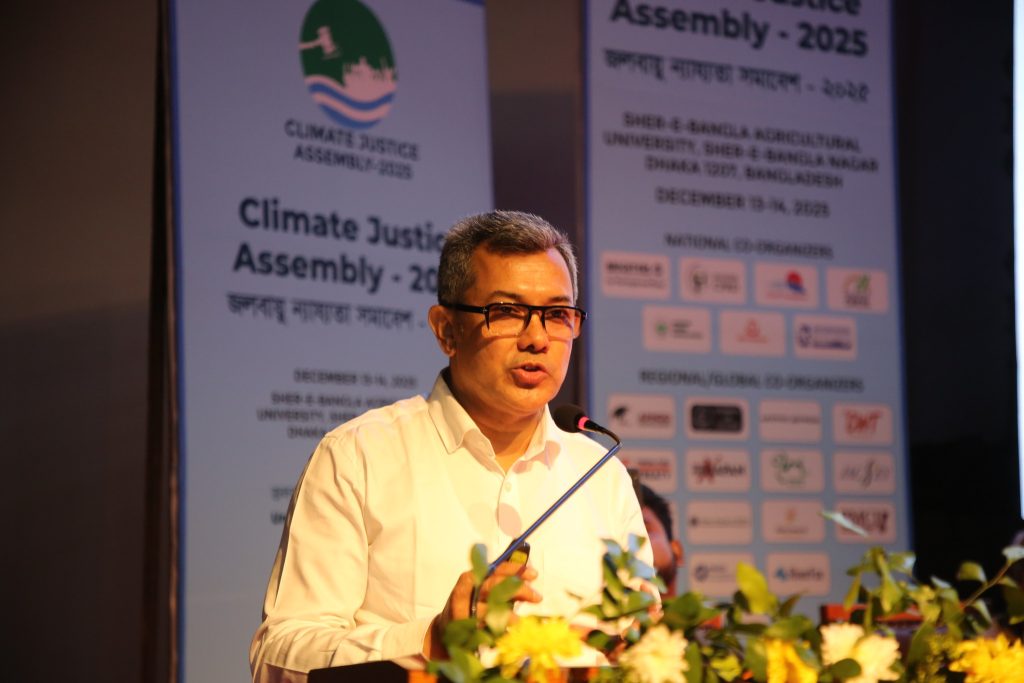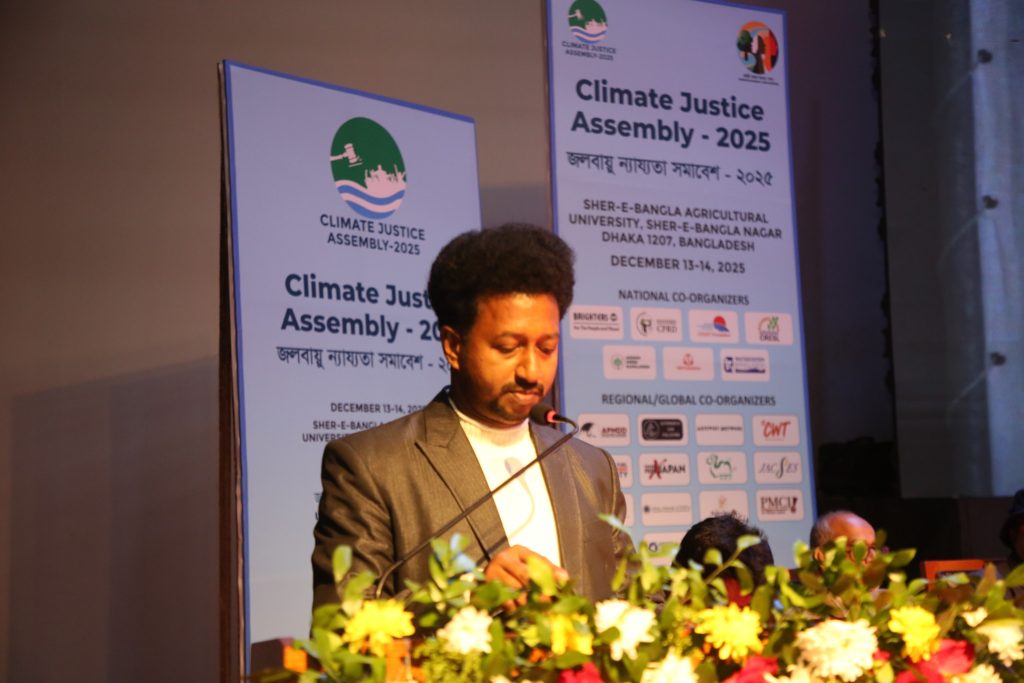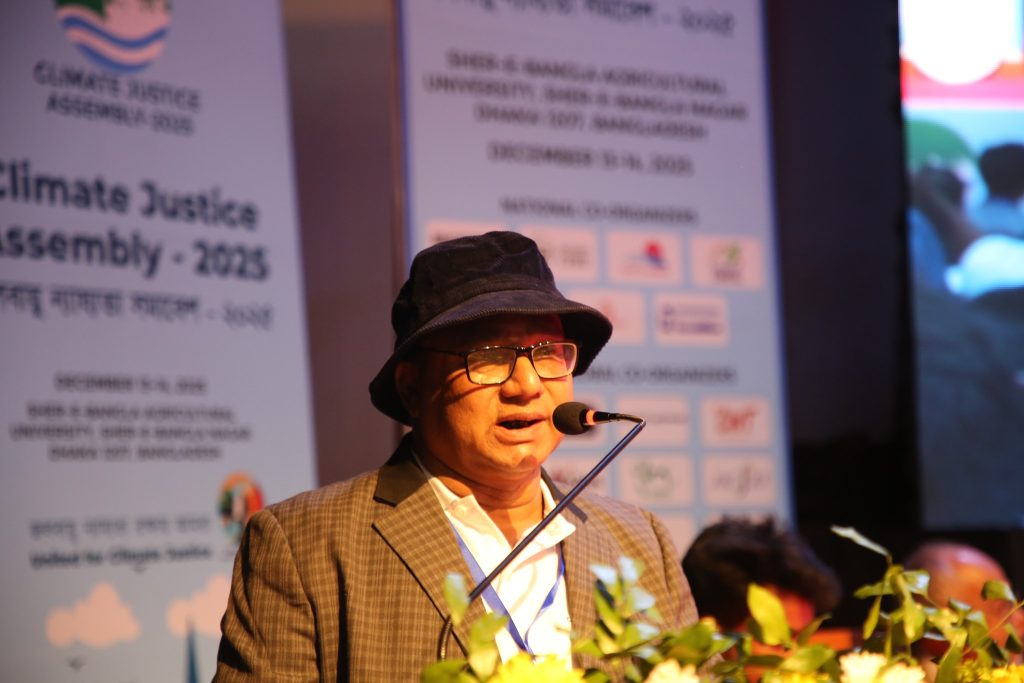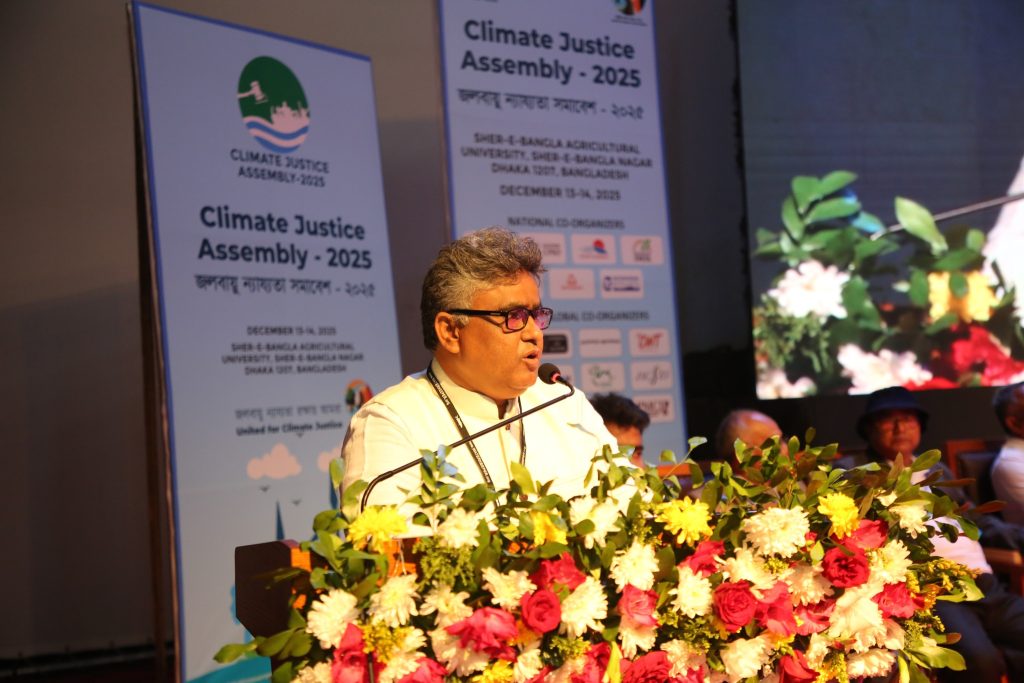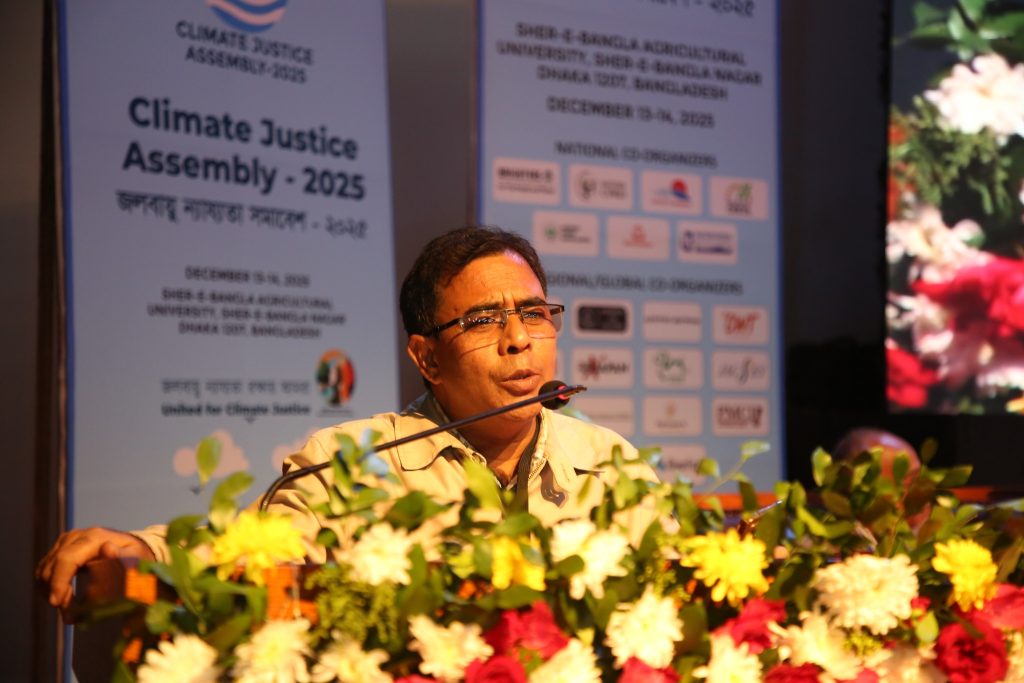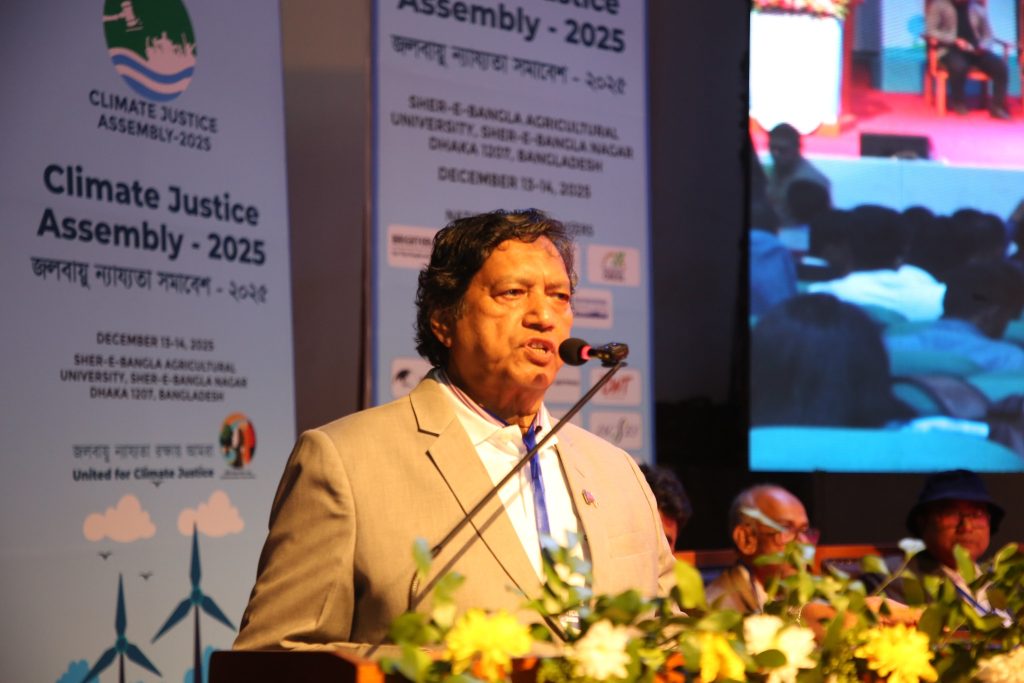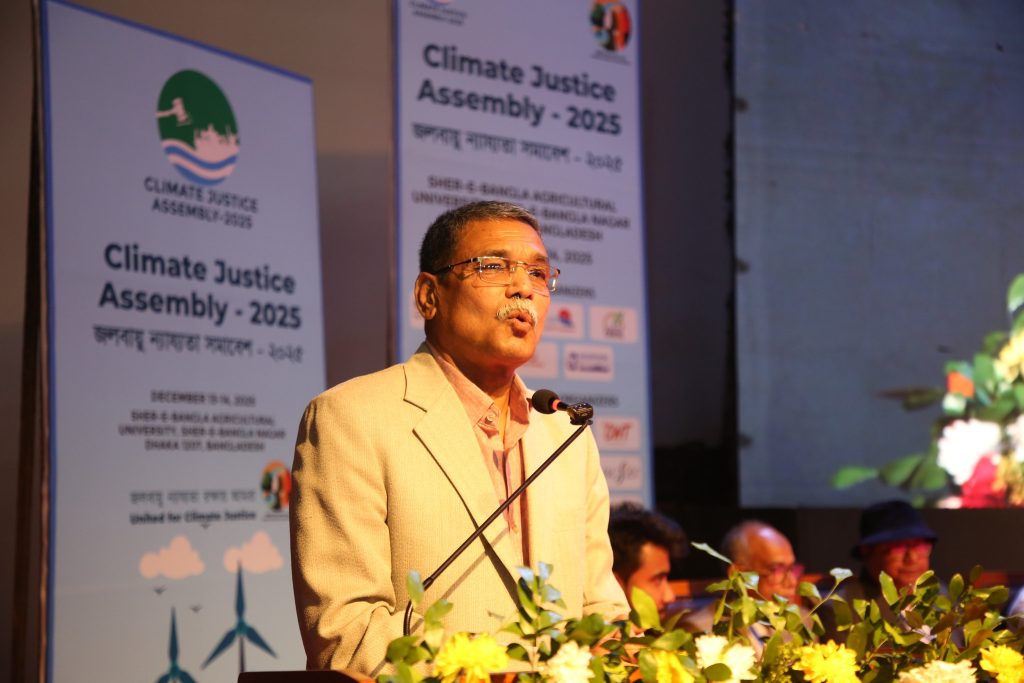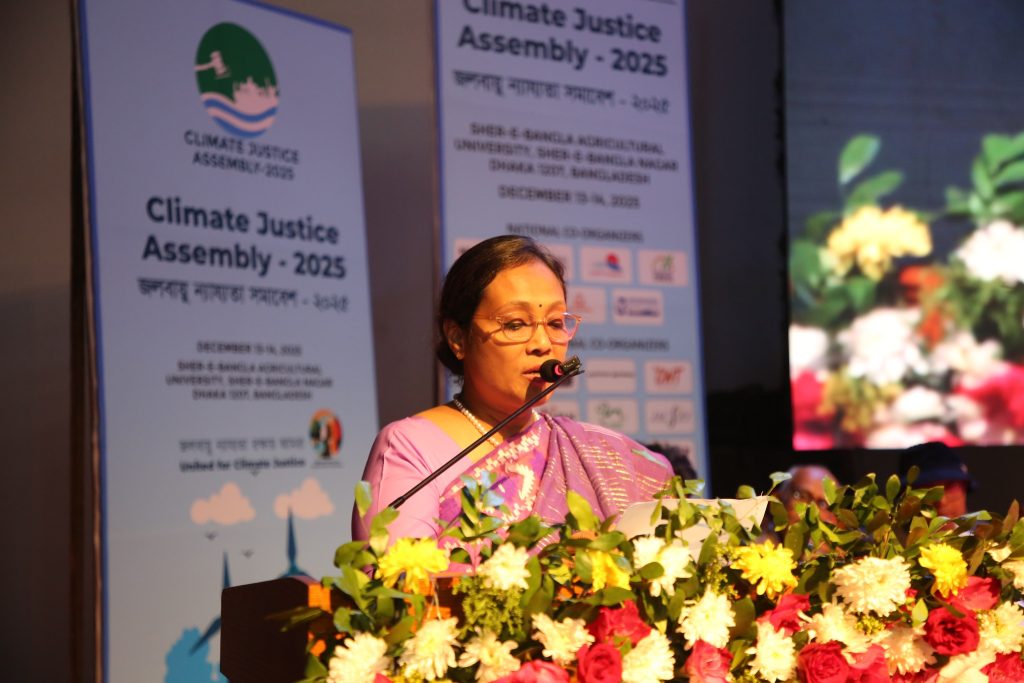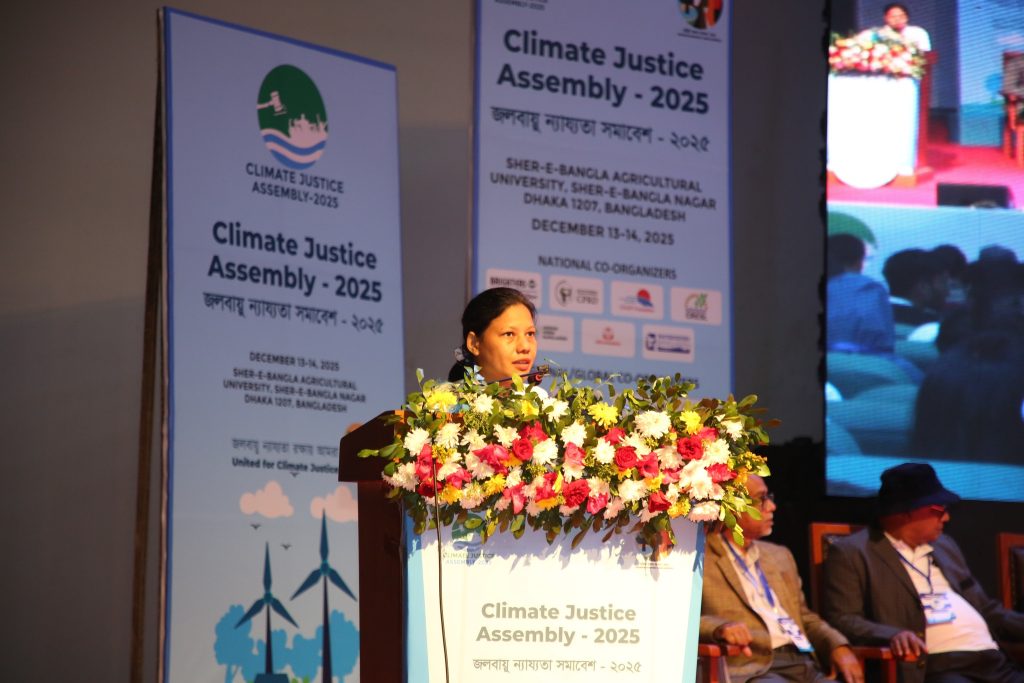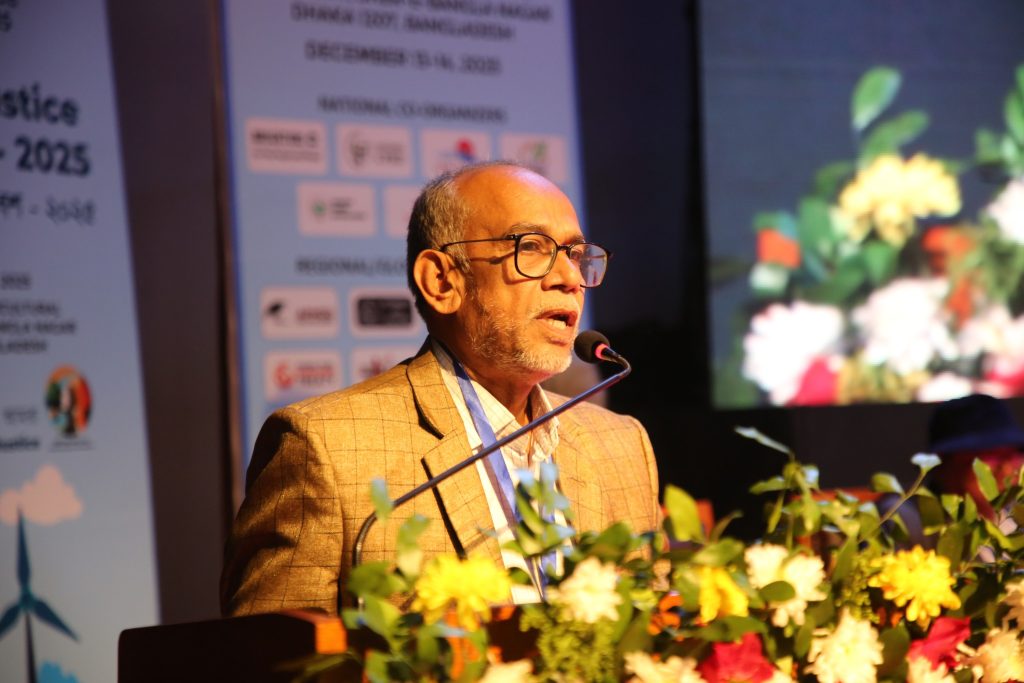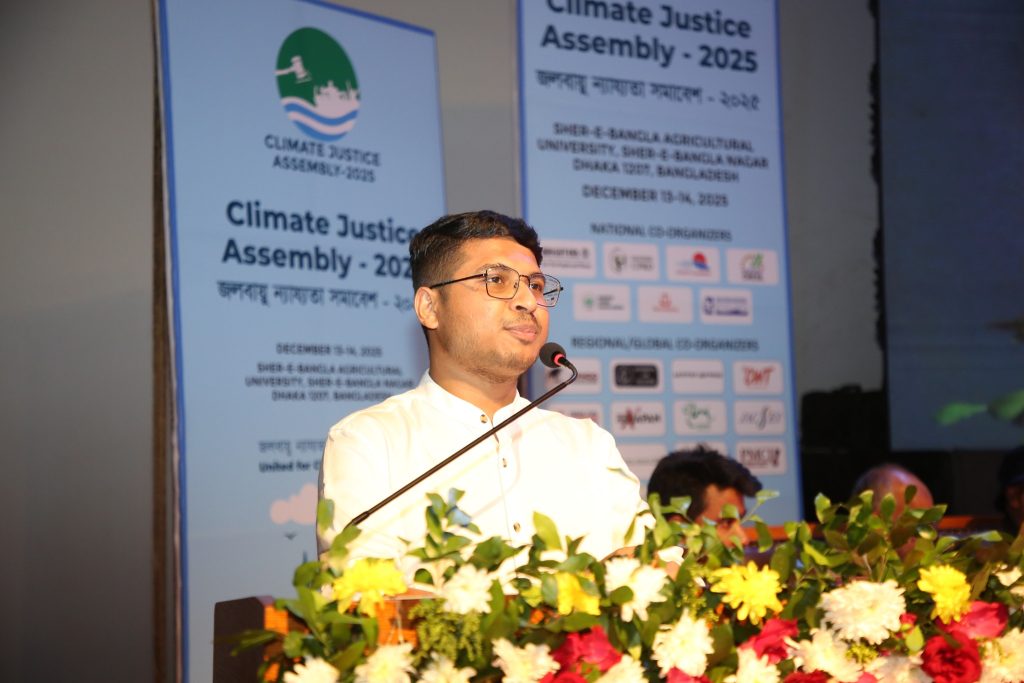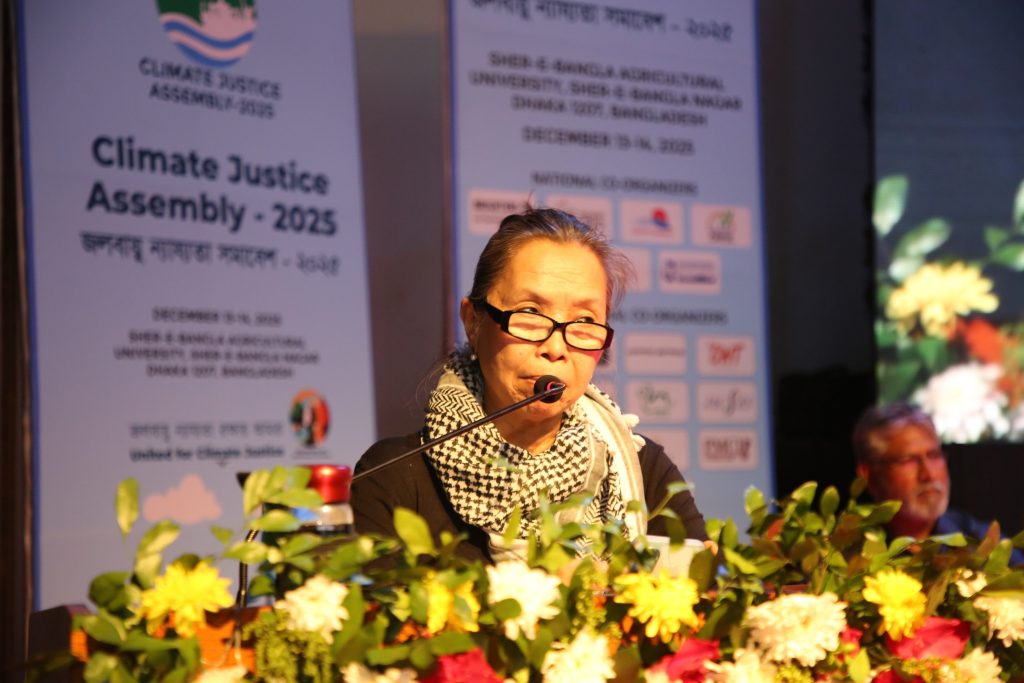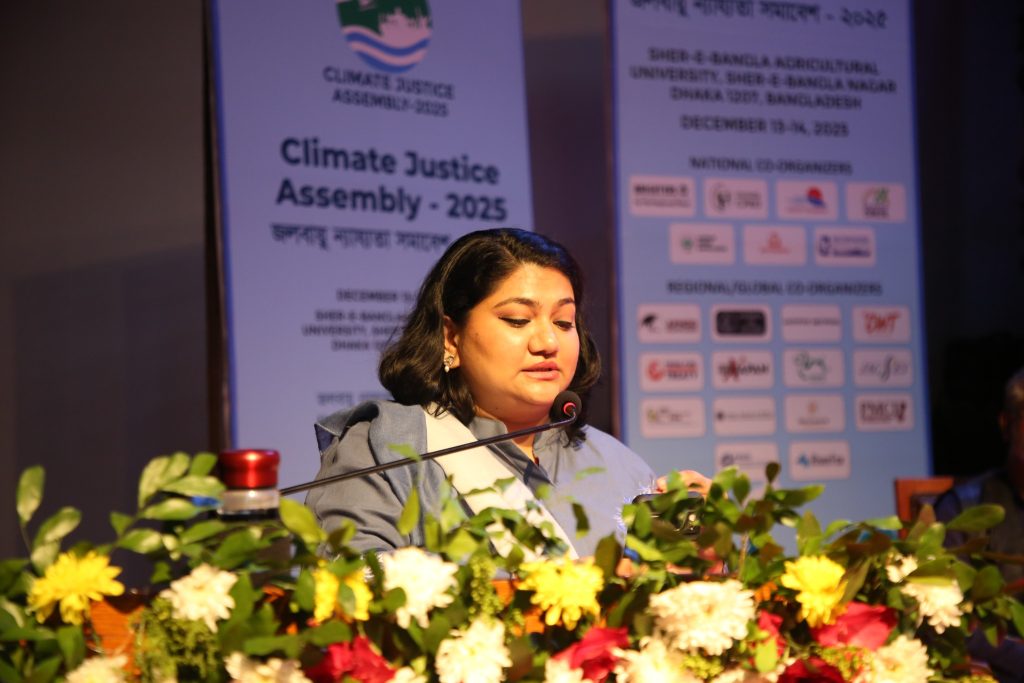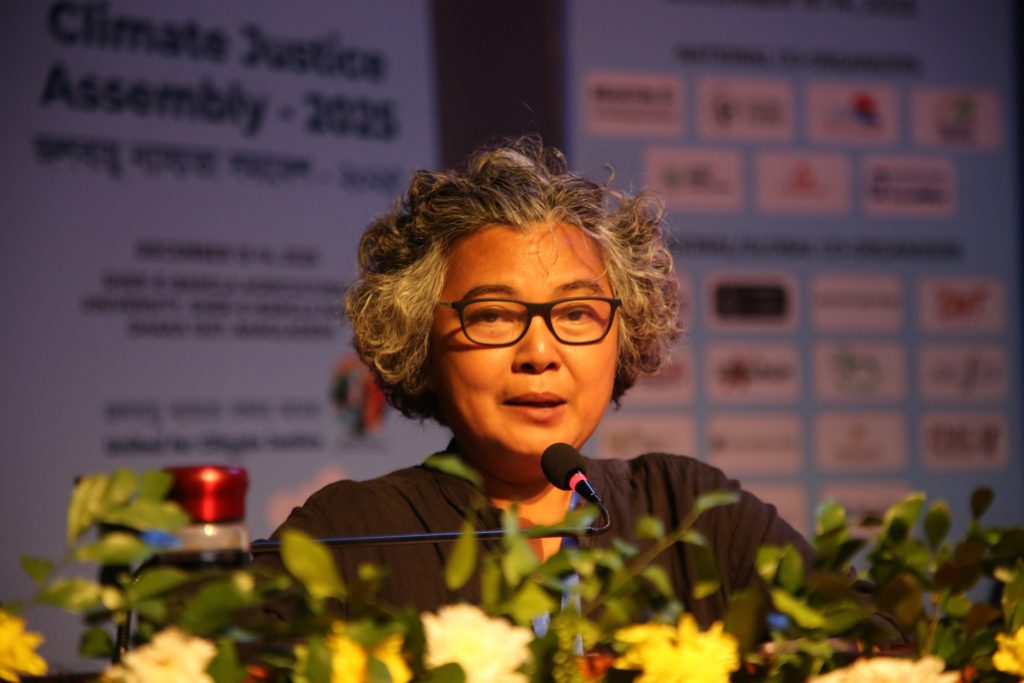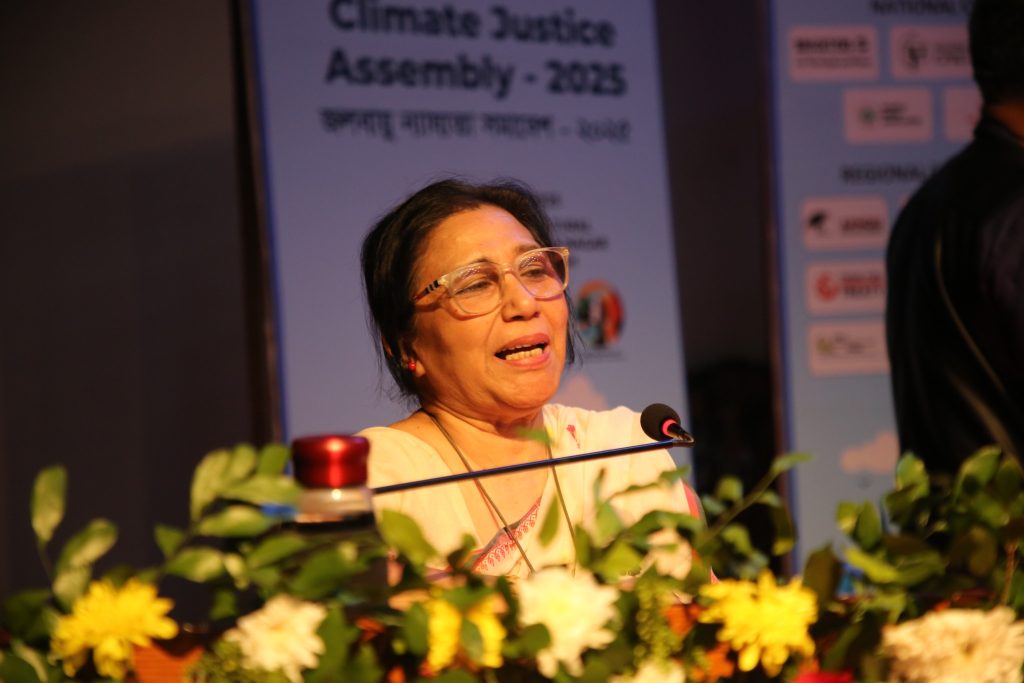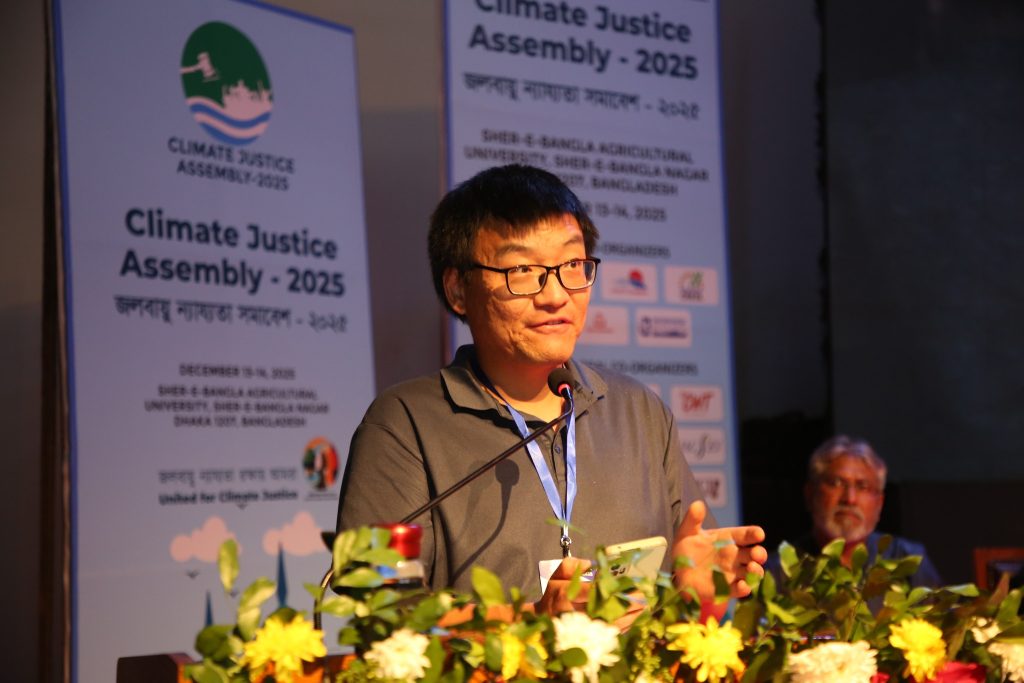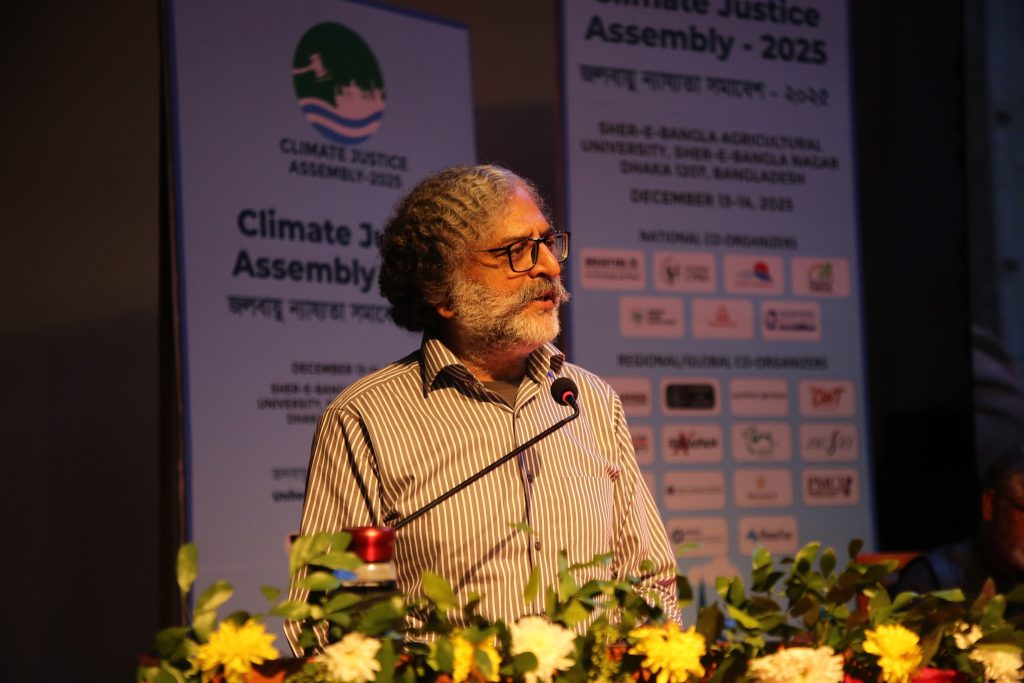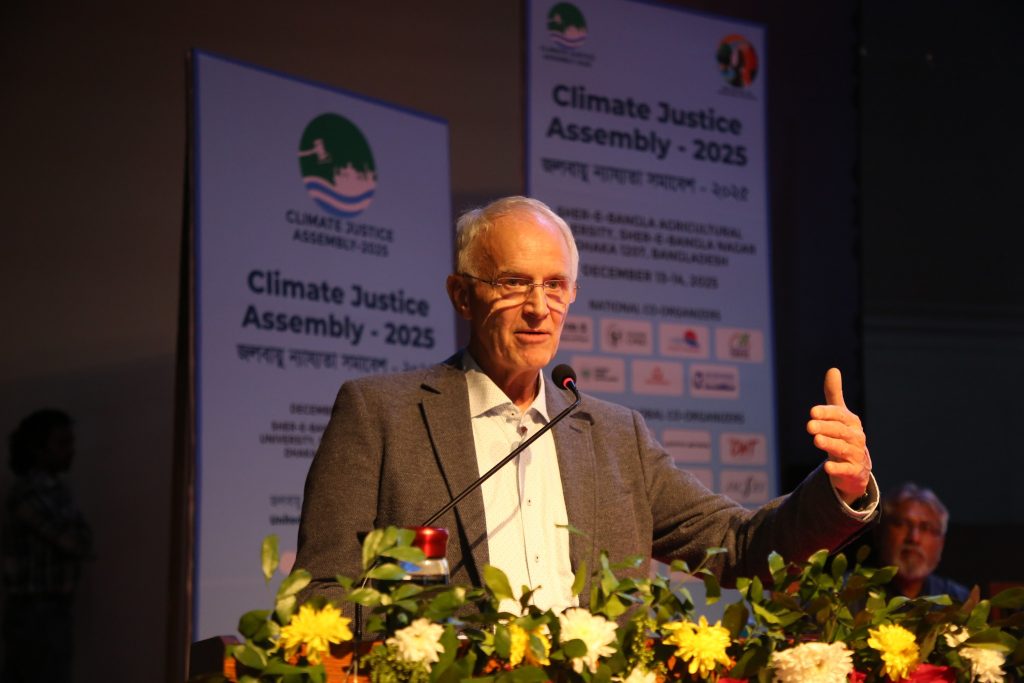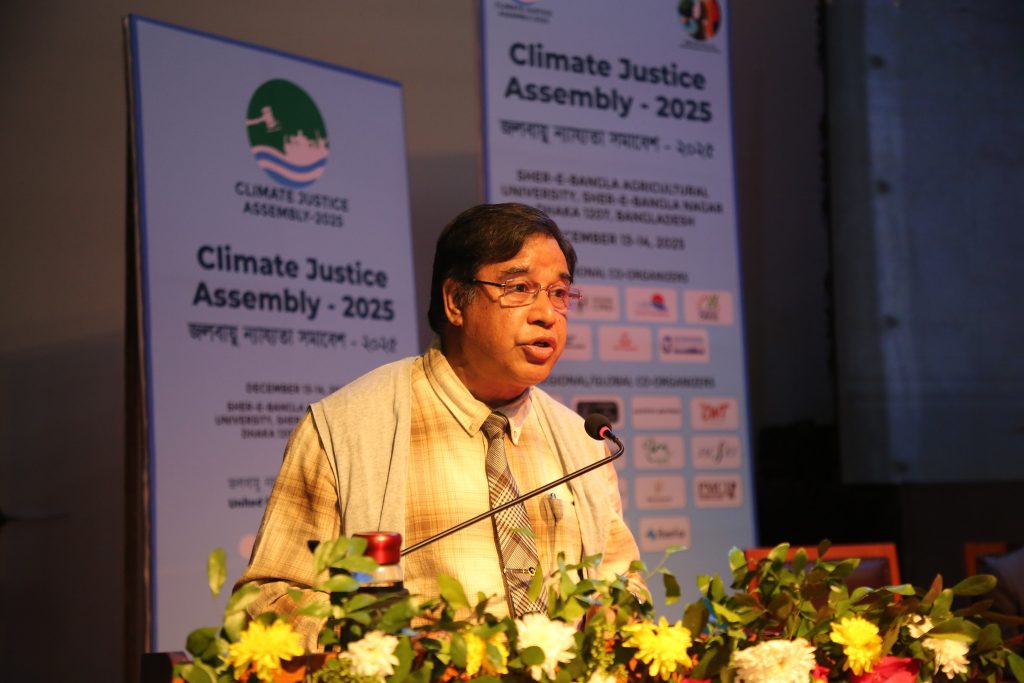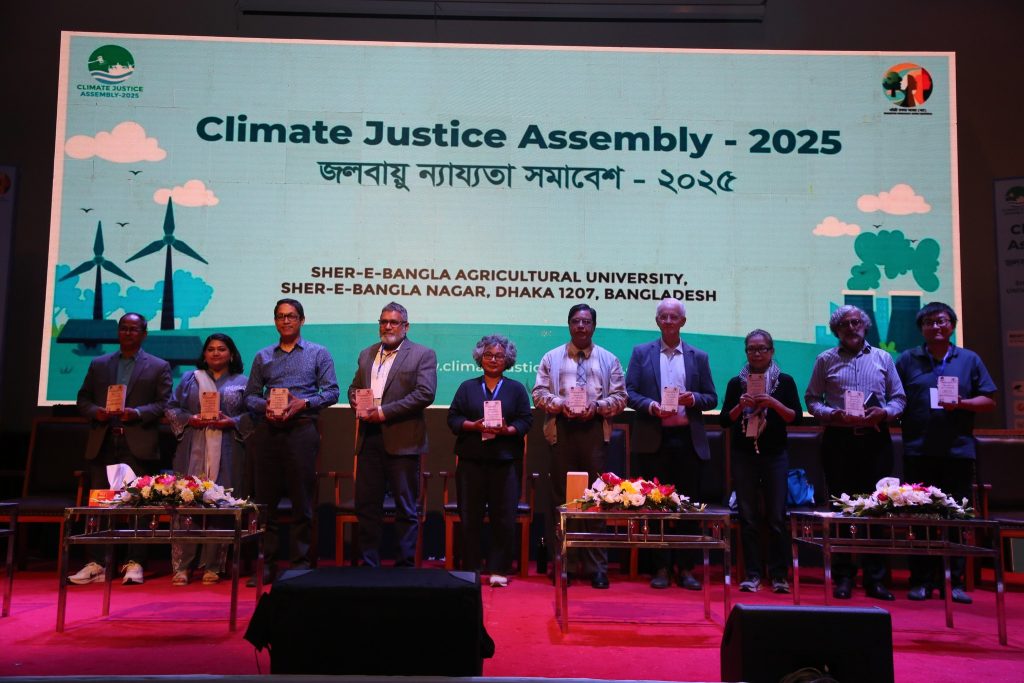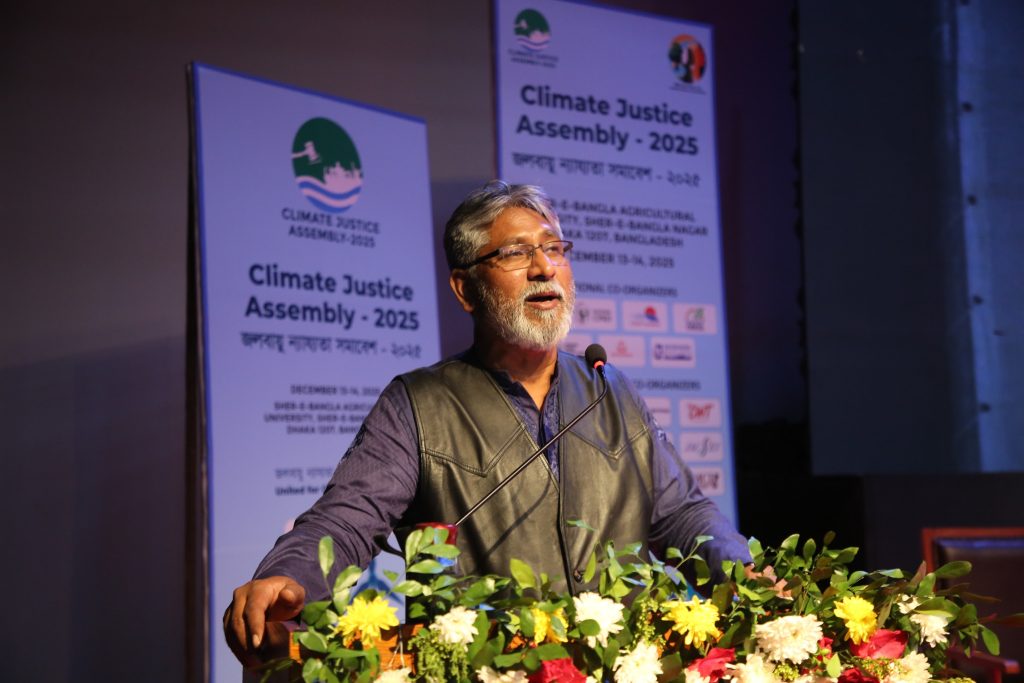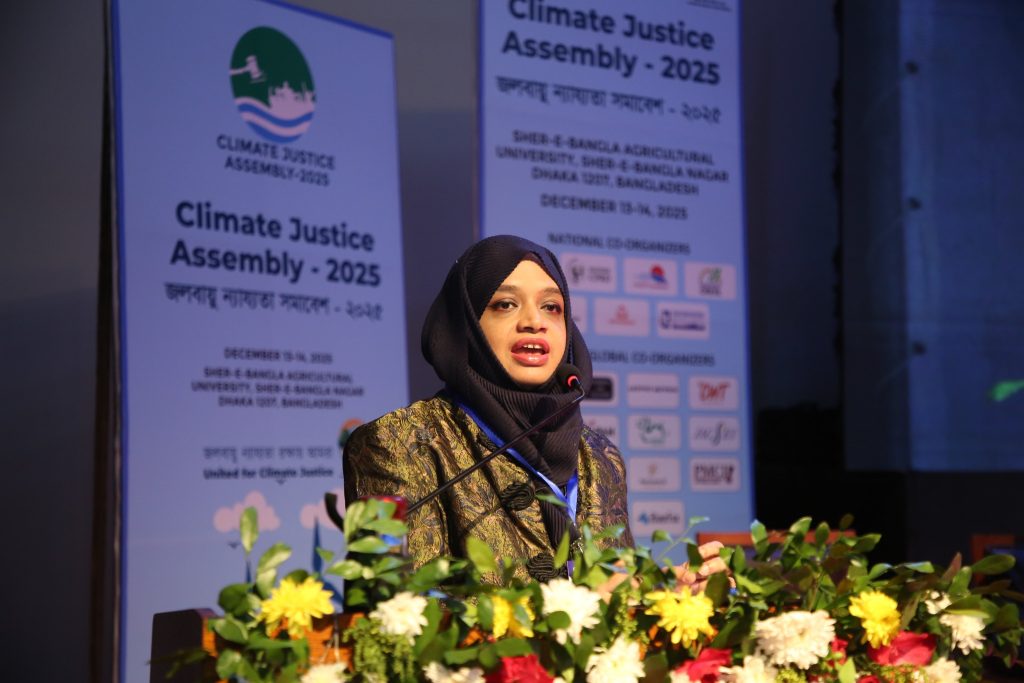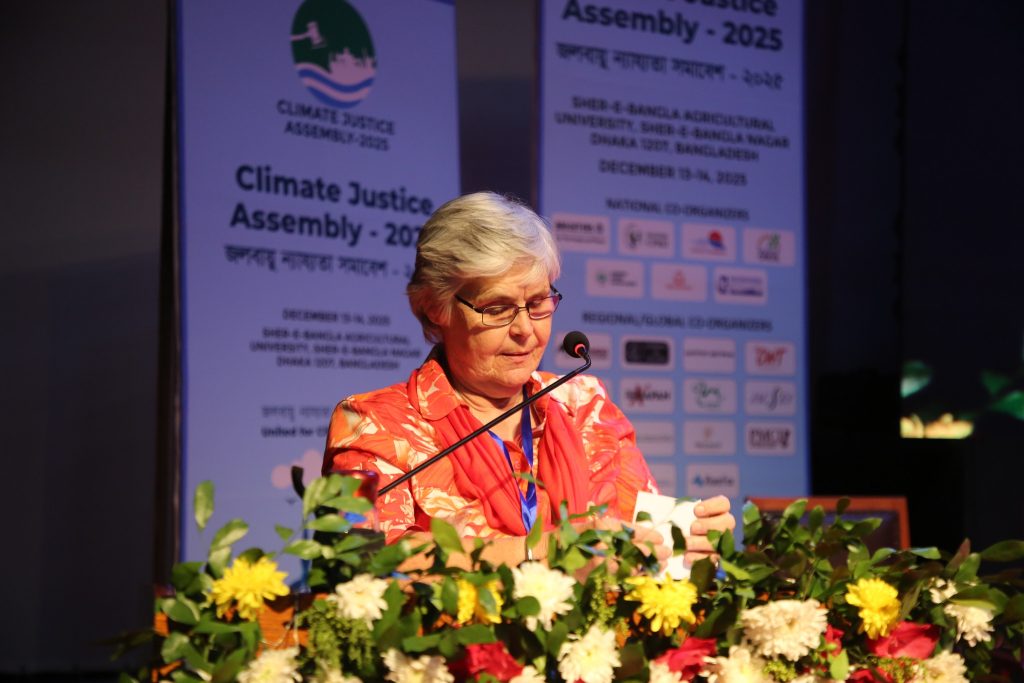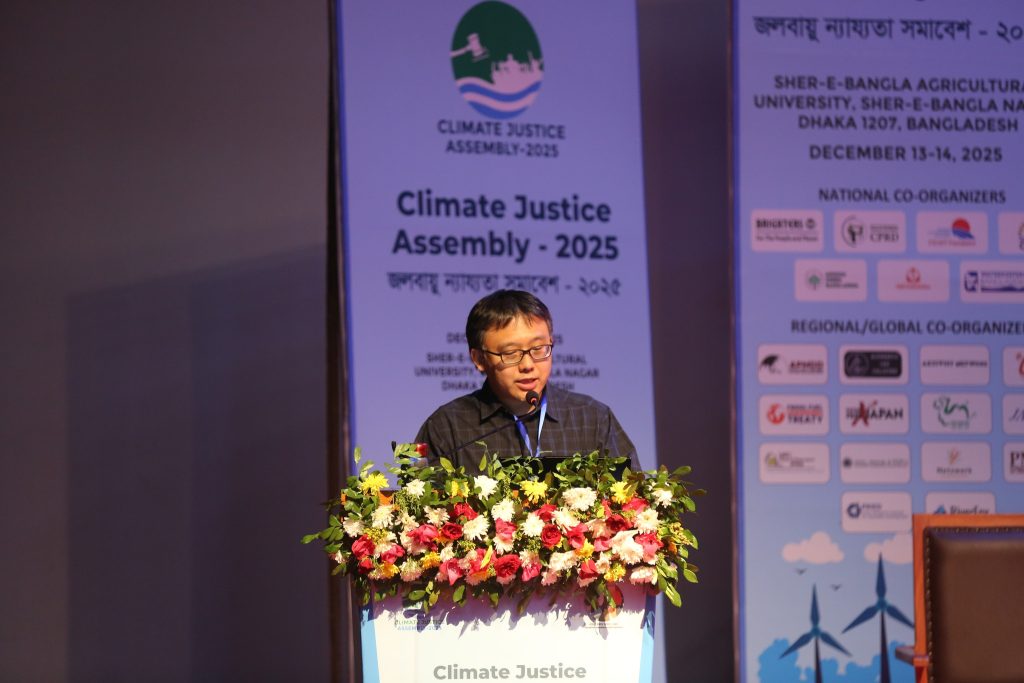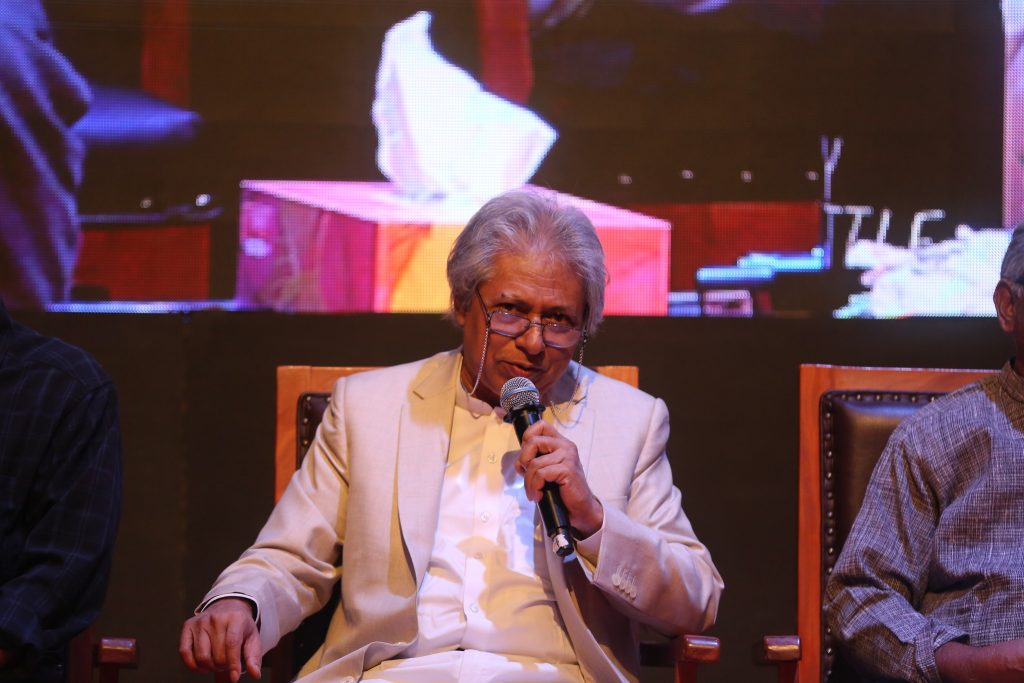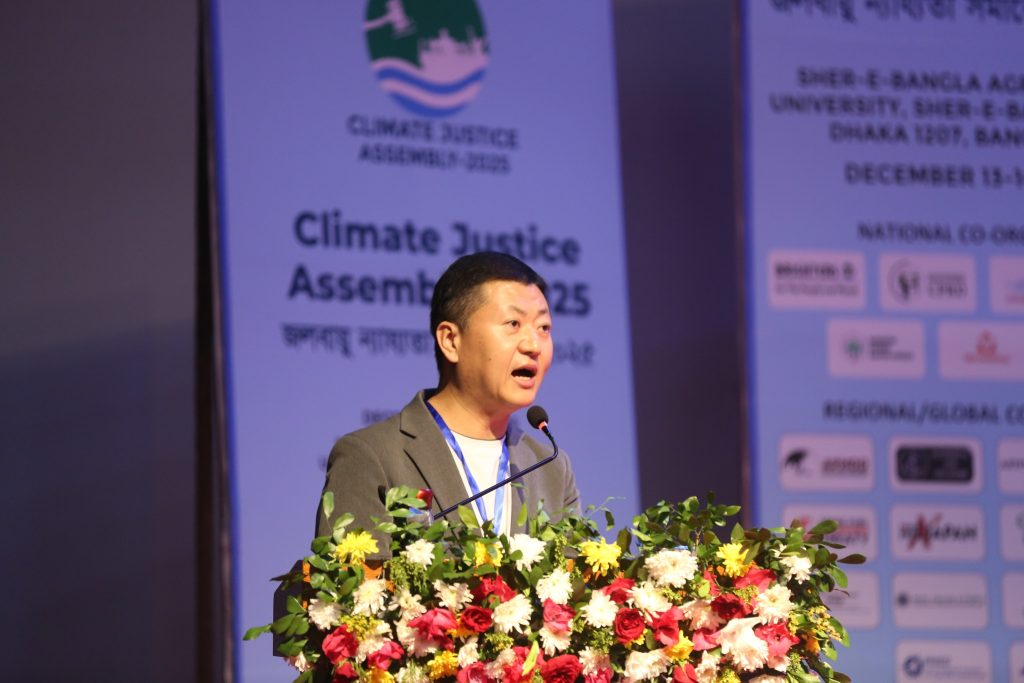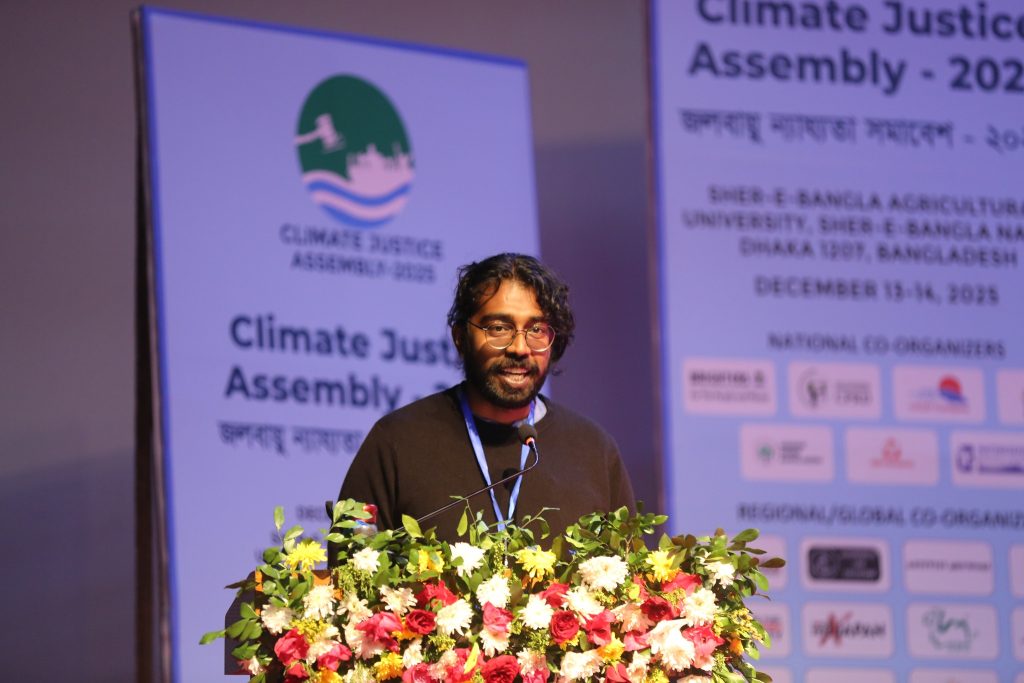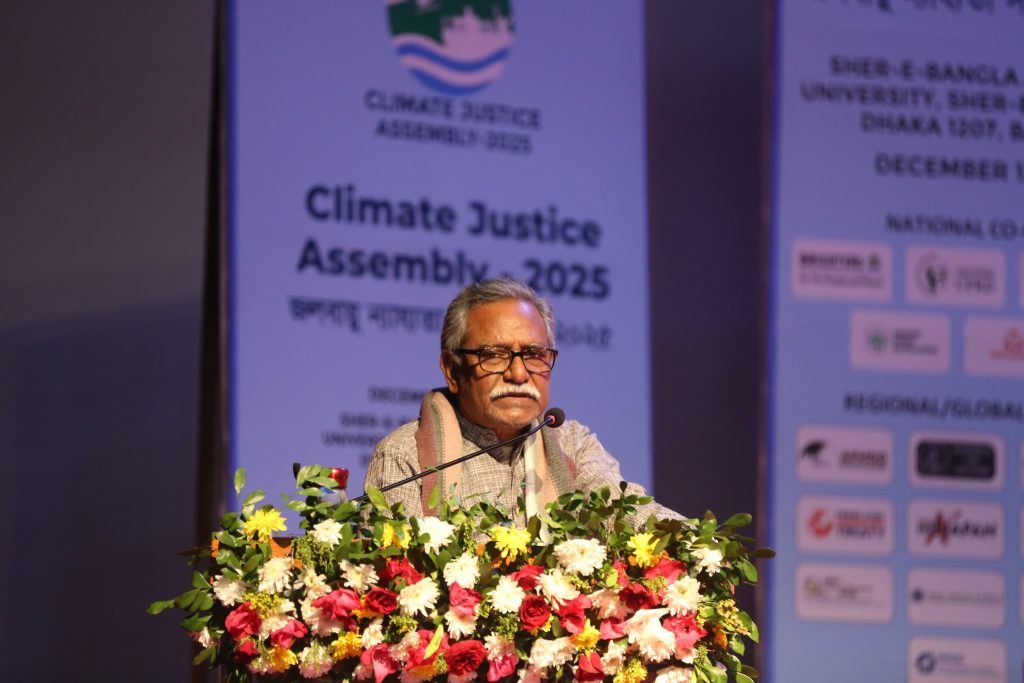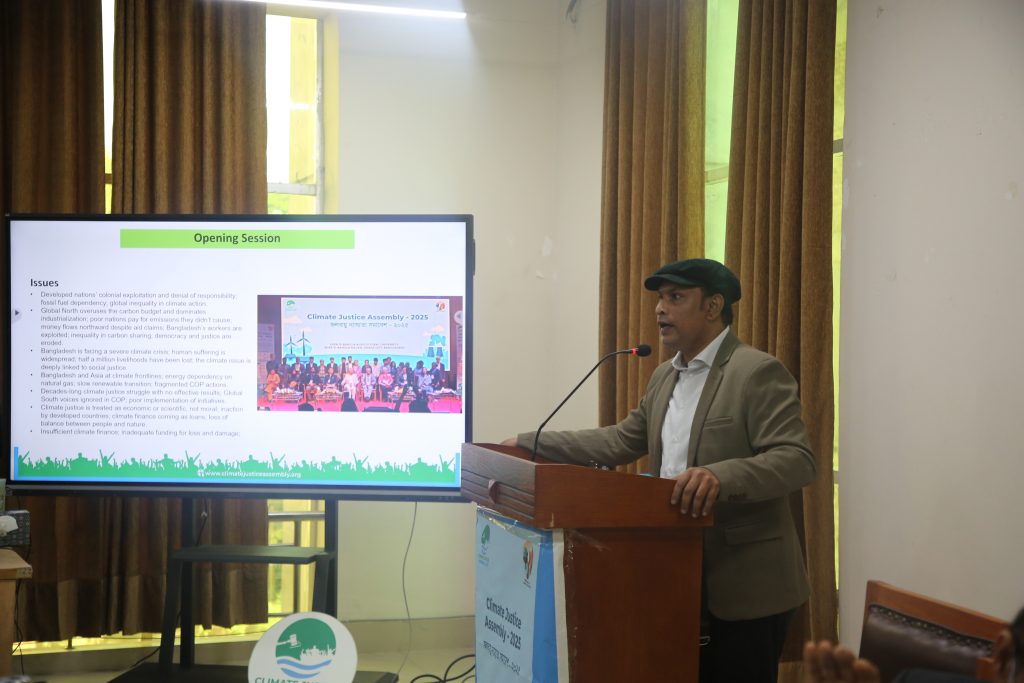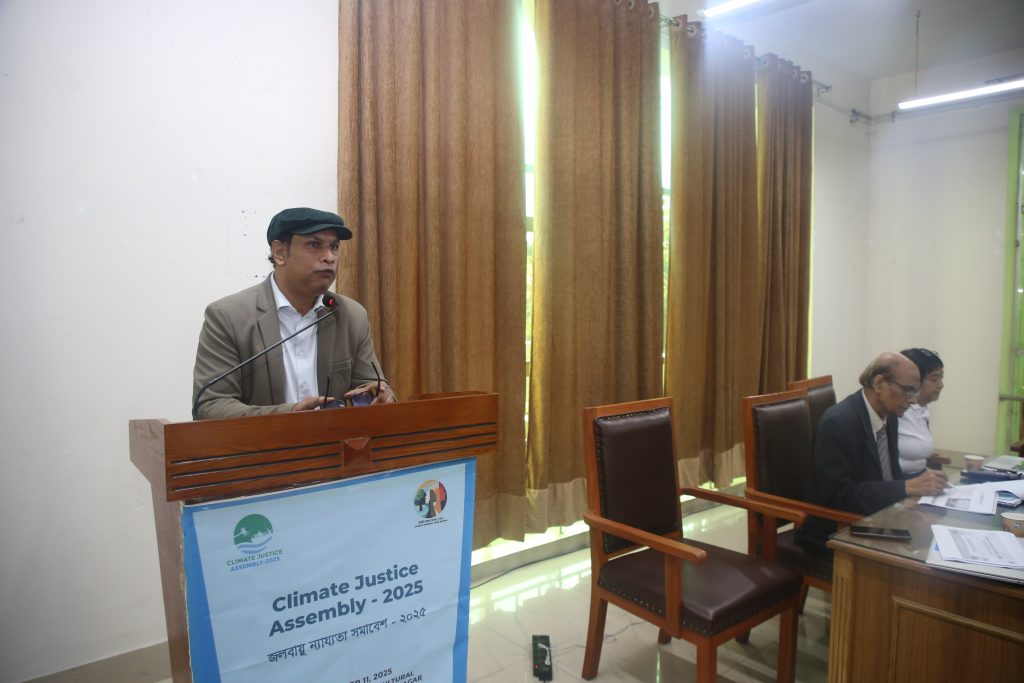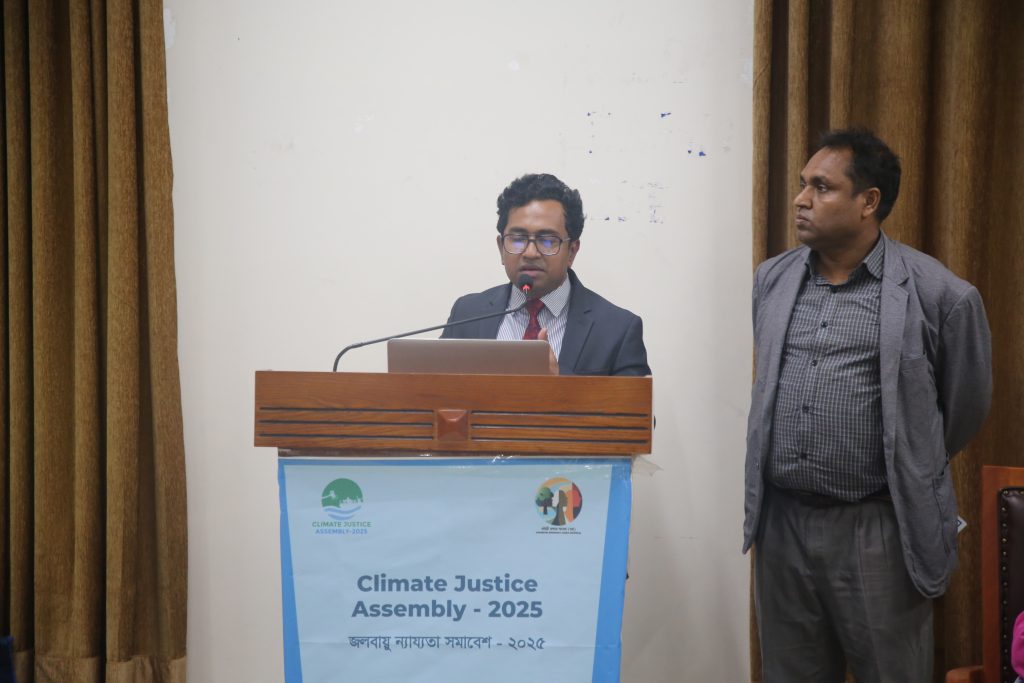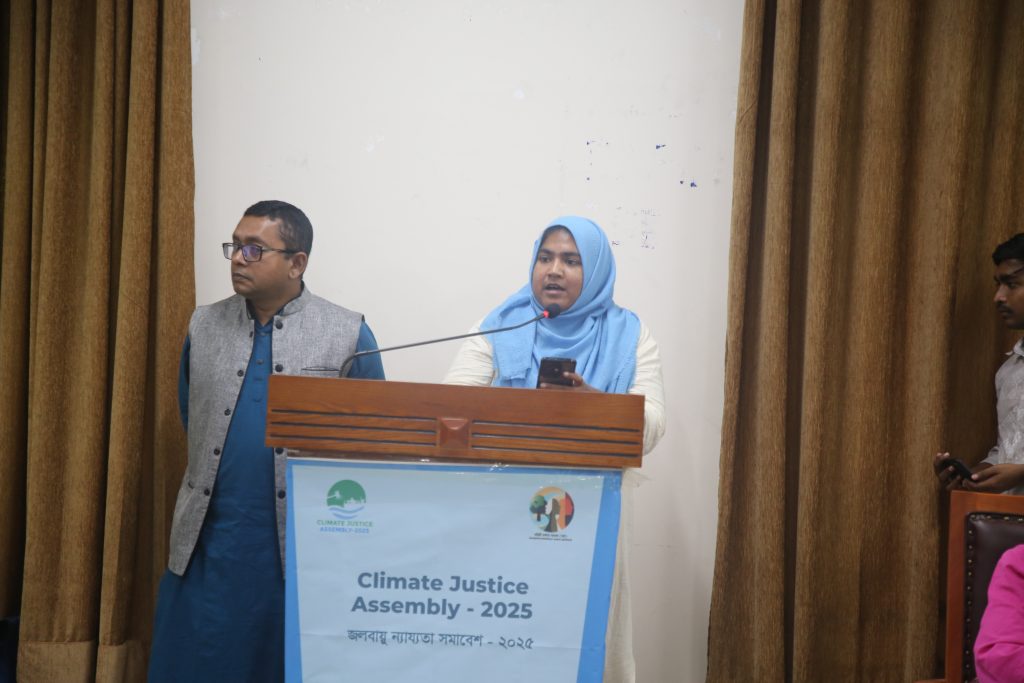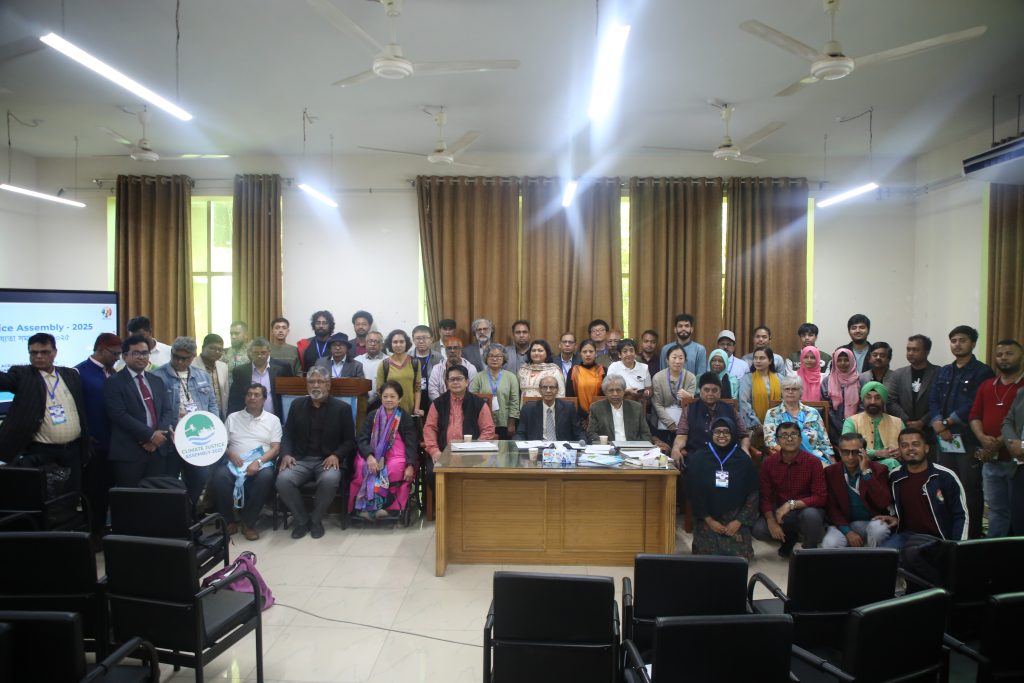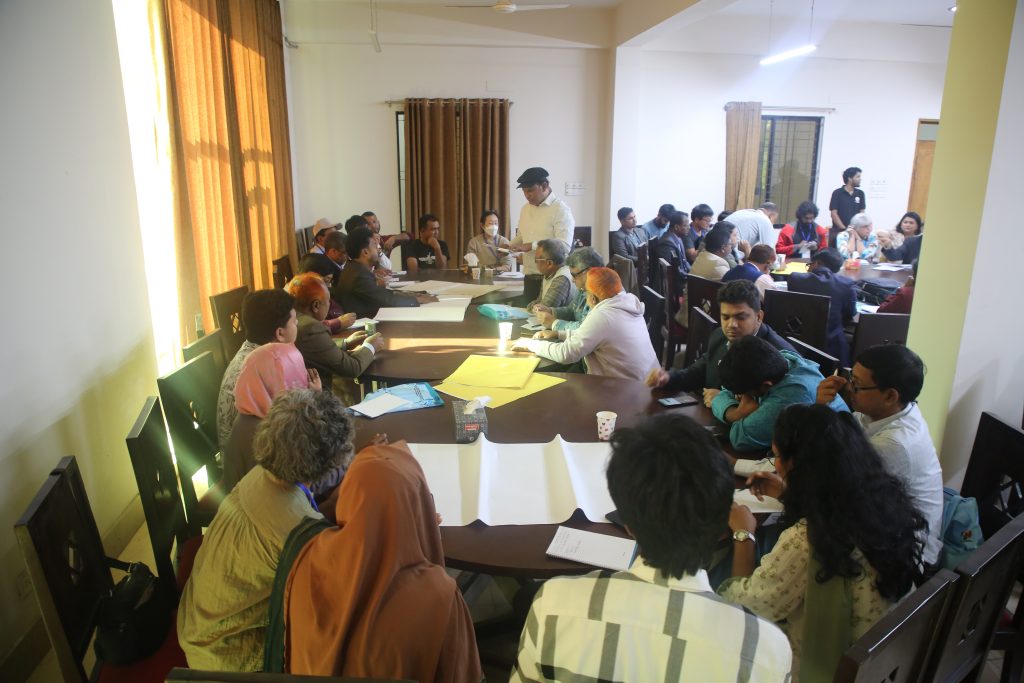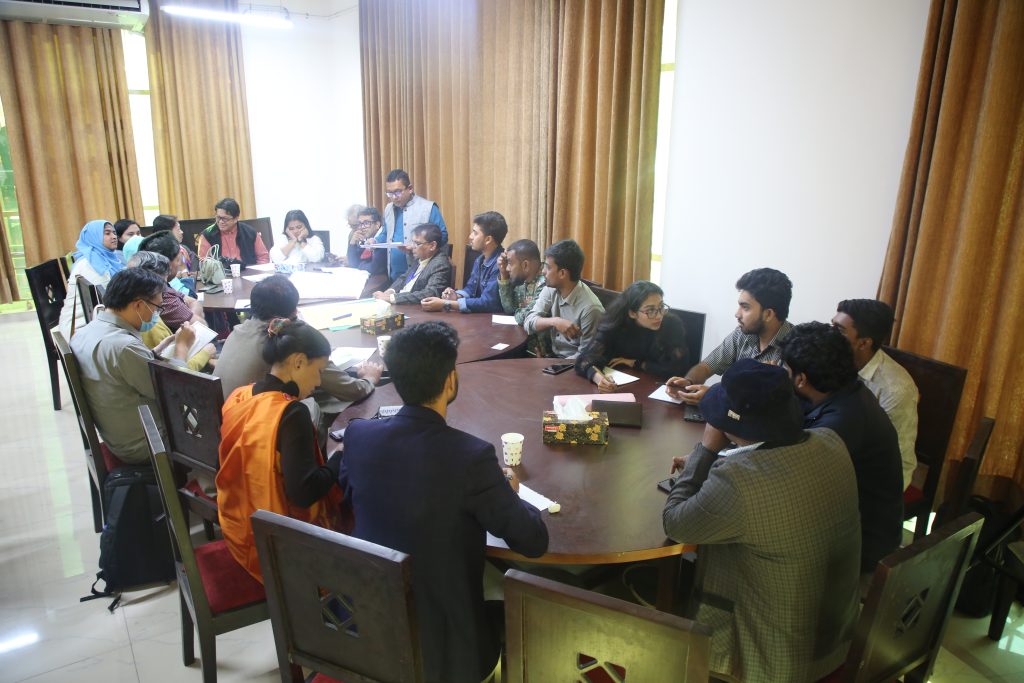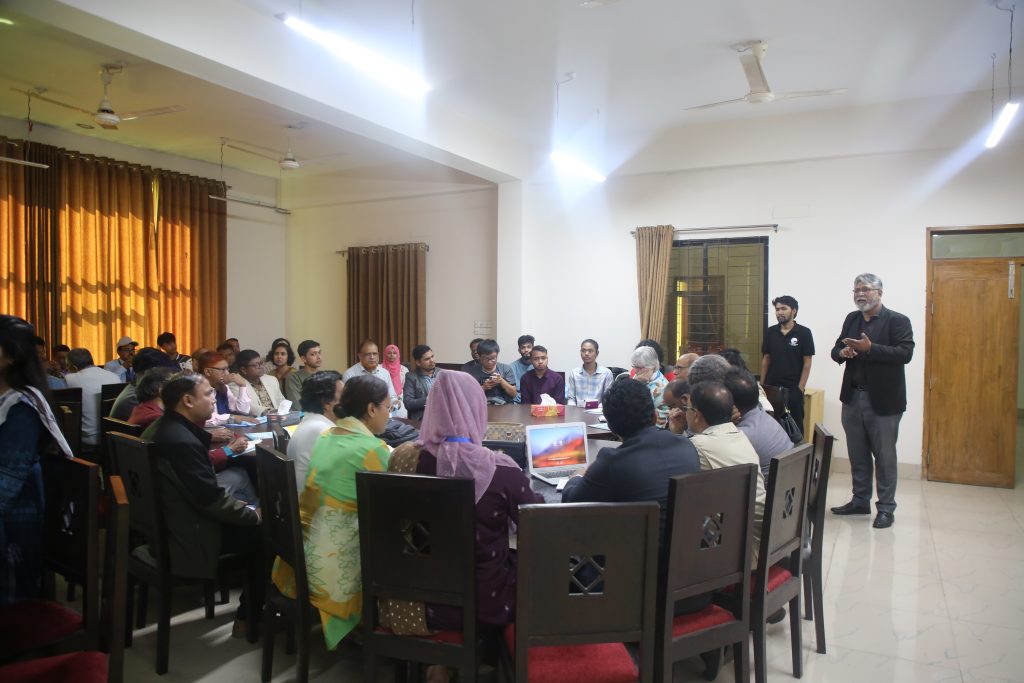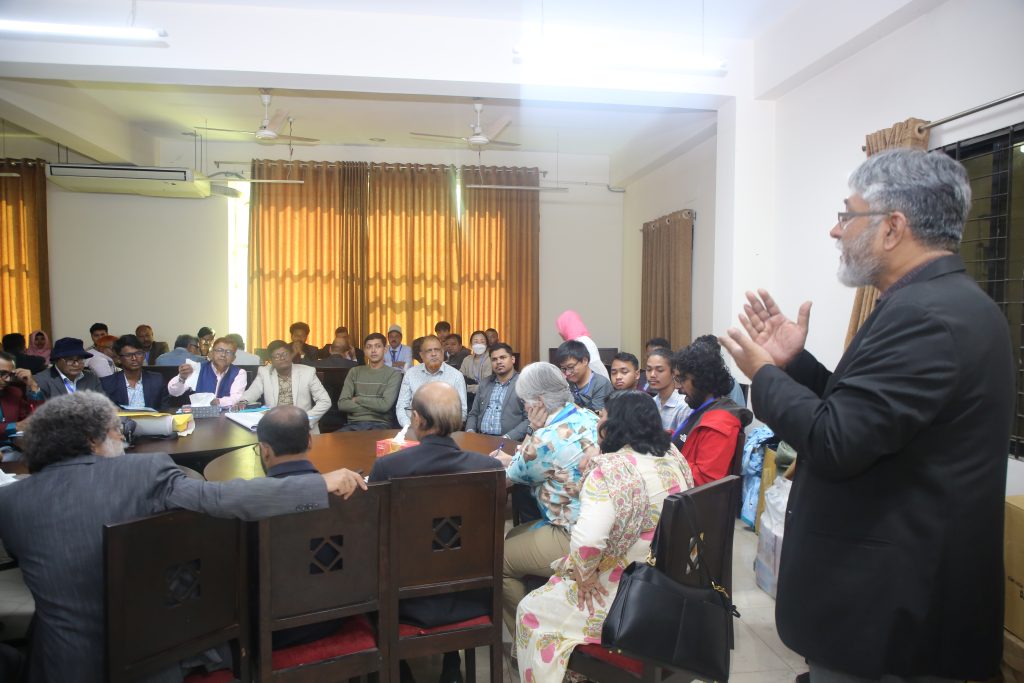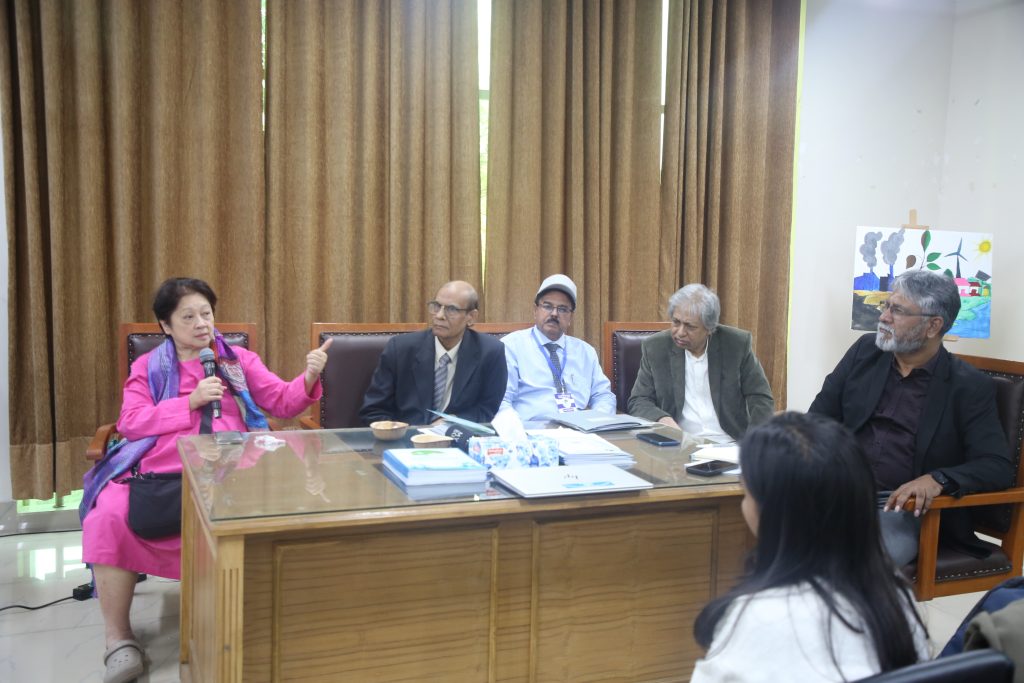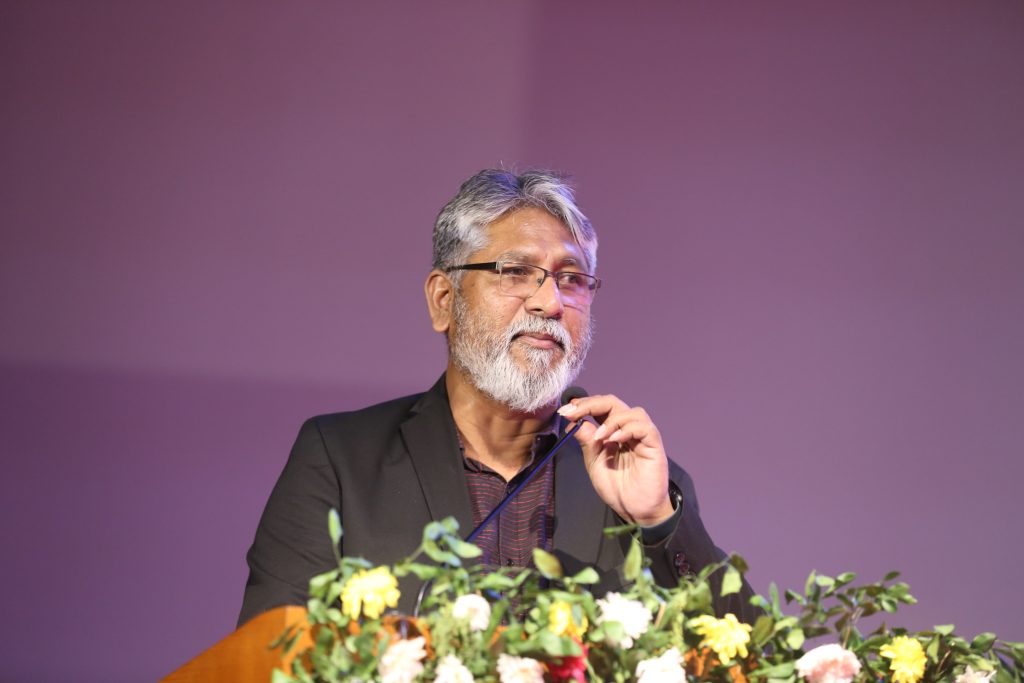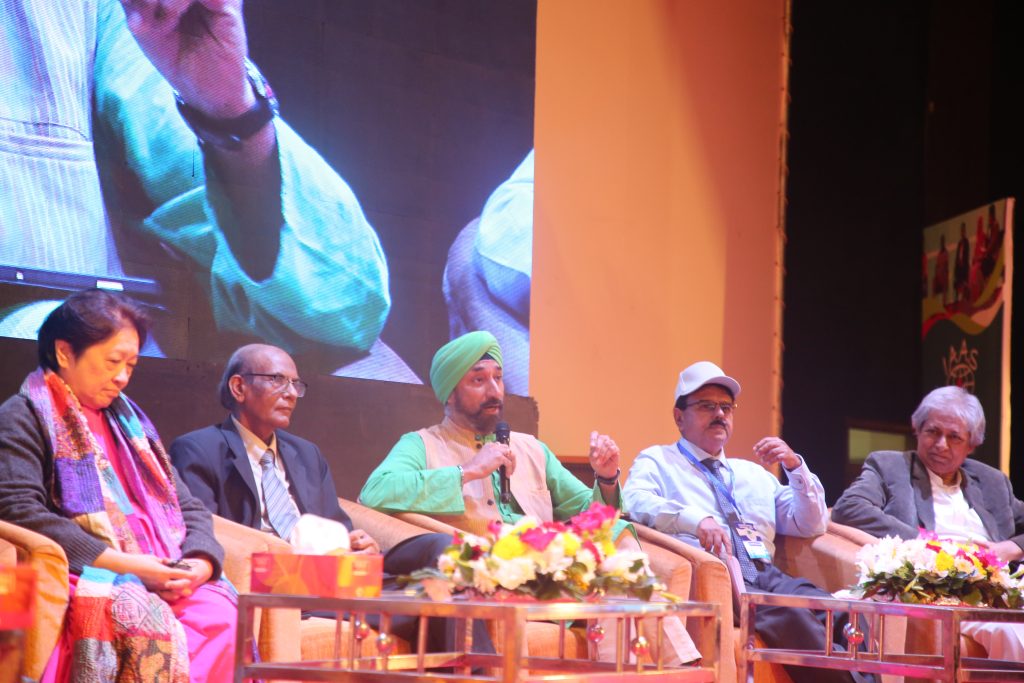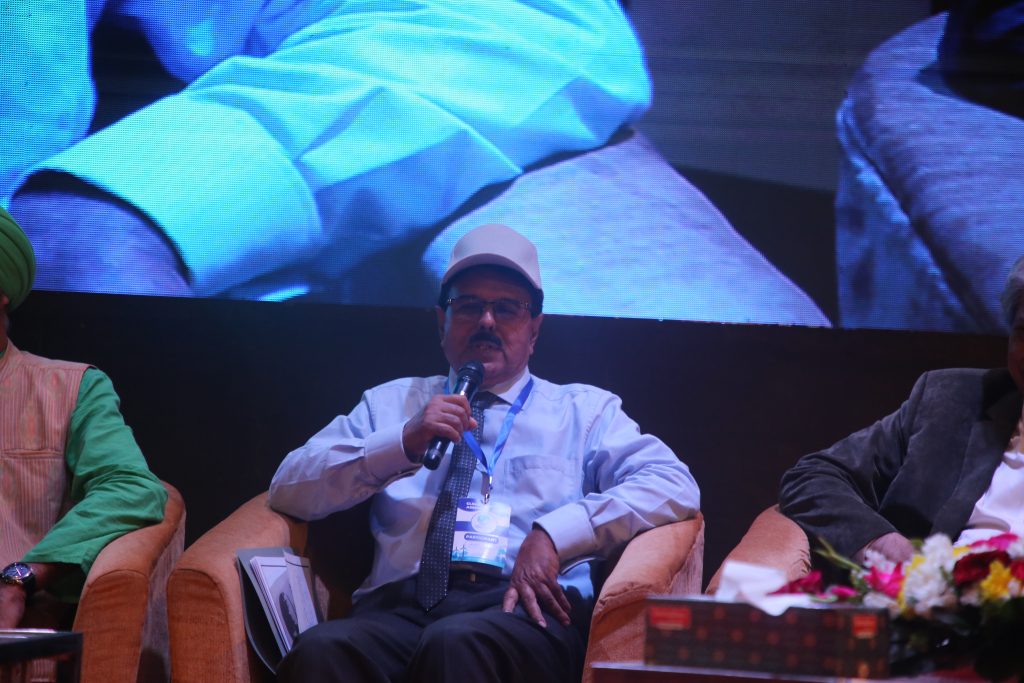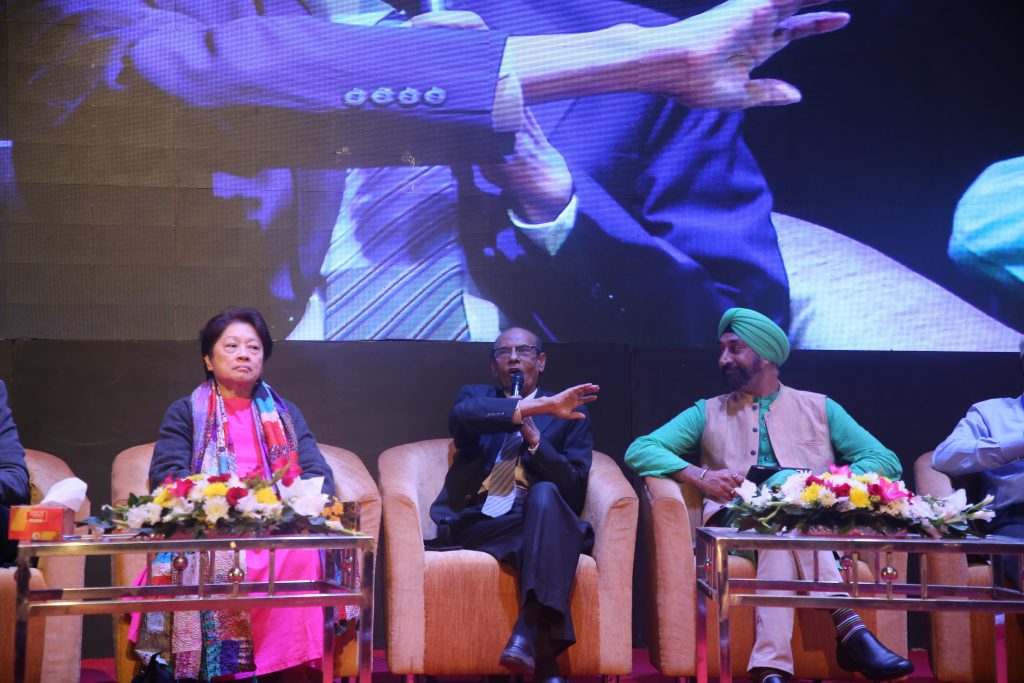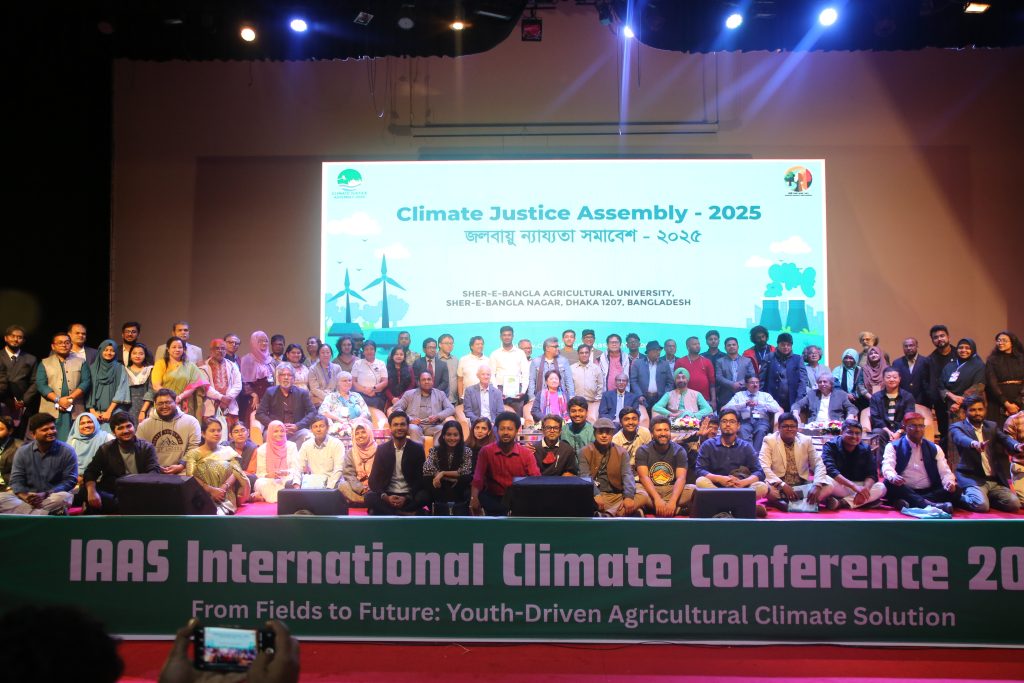


The Climate Justice Assembly 2025 was held on 13–14 December 2025 at the auditorium of Sher-e-Bangla Agricultural University, Dhaka. The Assembly was organized by the environmental citizens’ platform Dhoritri Rokhhay Amra (DHORA) in collaboration with 21 national and international organizations. Around 2,000 participants attended the event, including government representatives, international climate activists, researchers, and representatives of climate-affected communities.
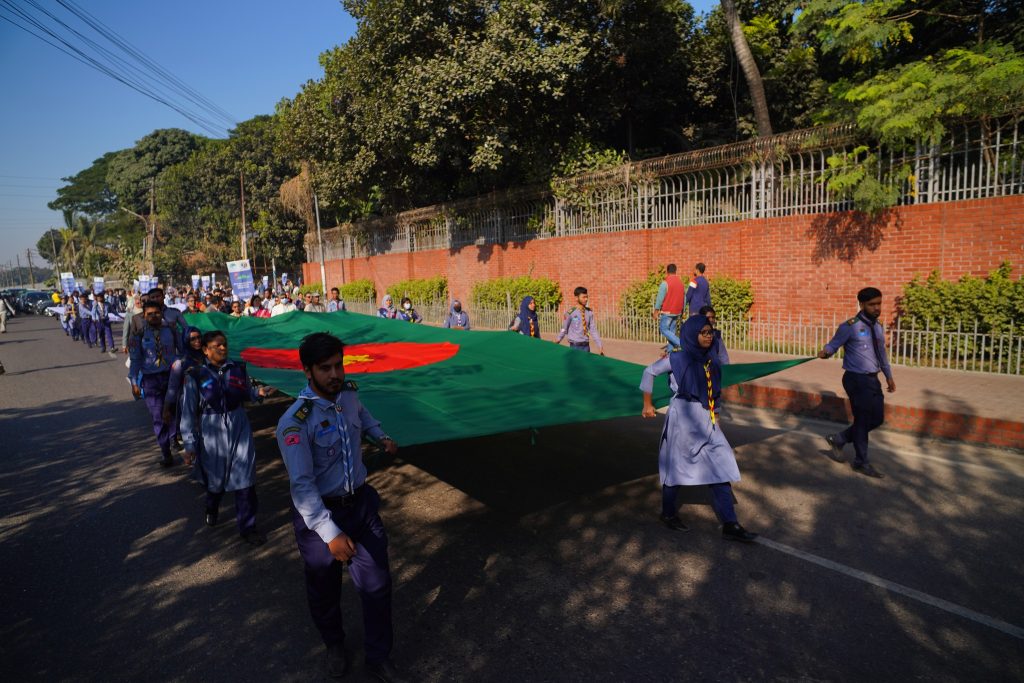
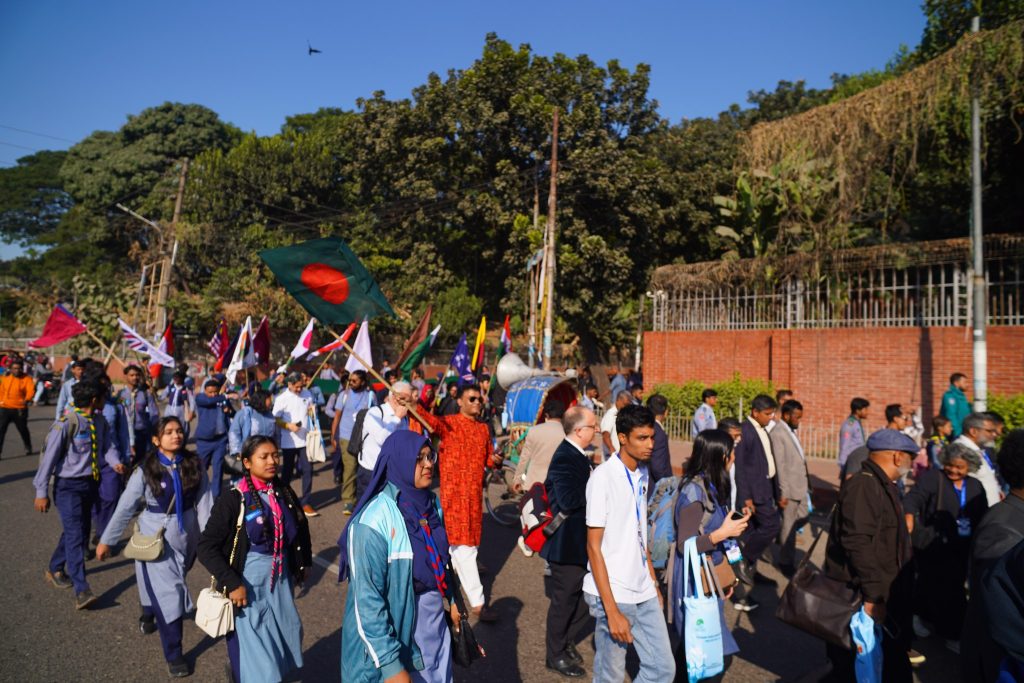
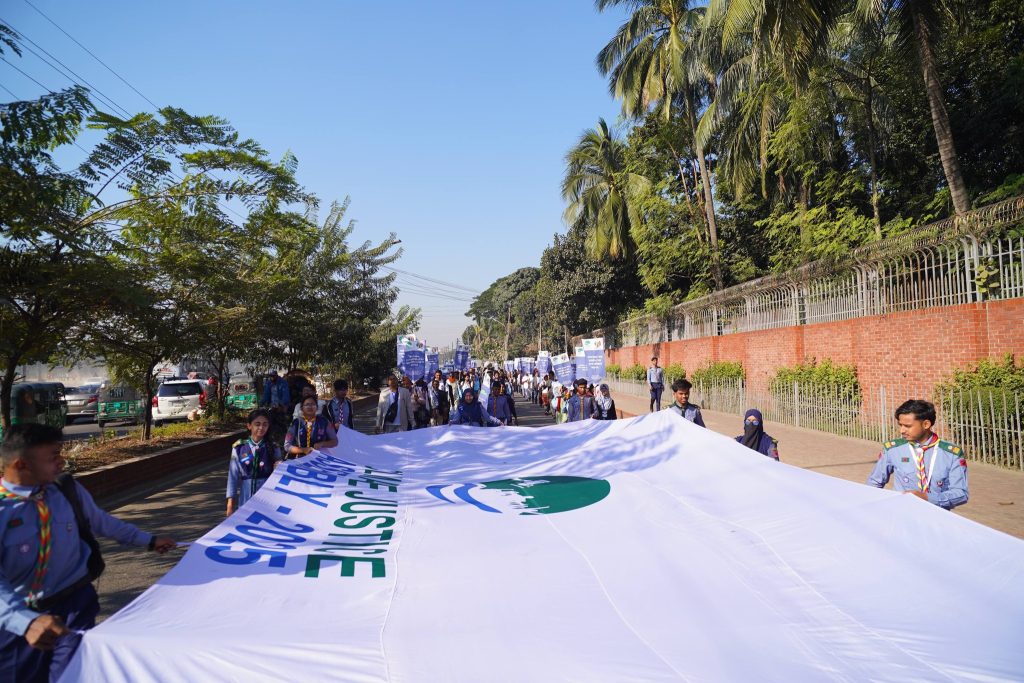
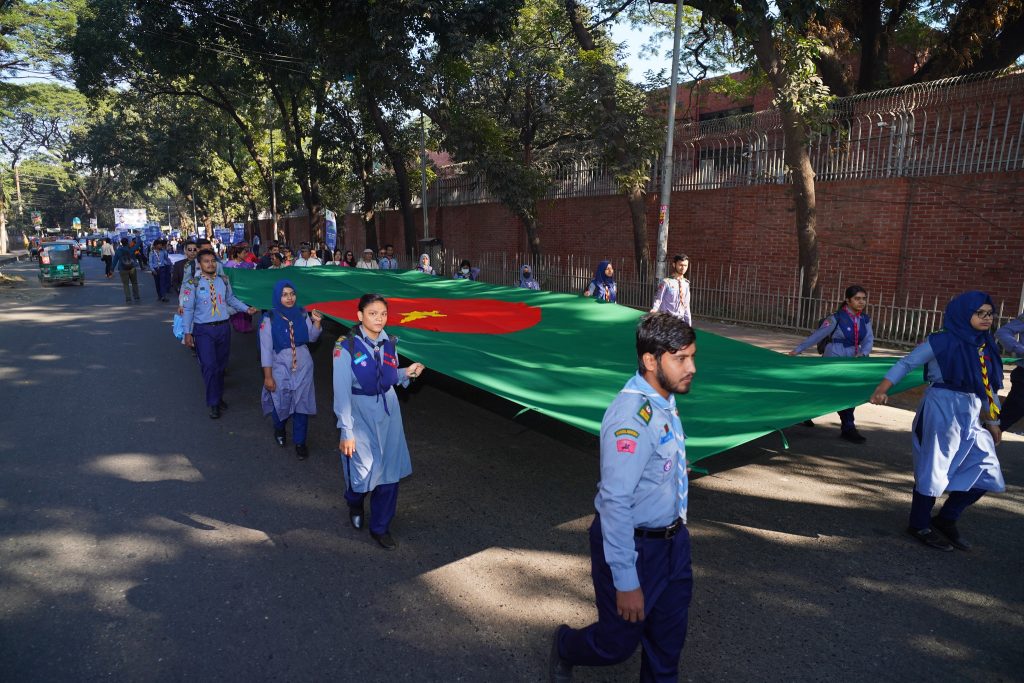
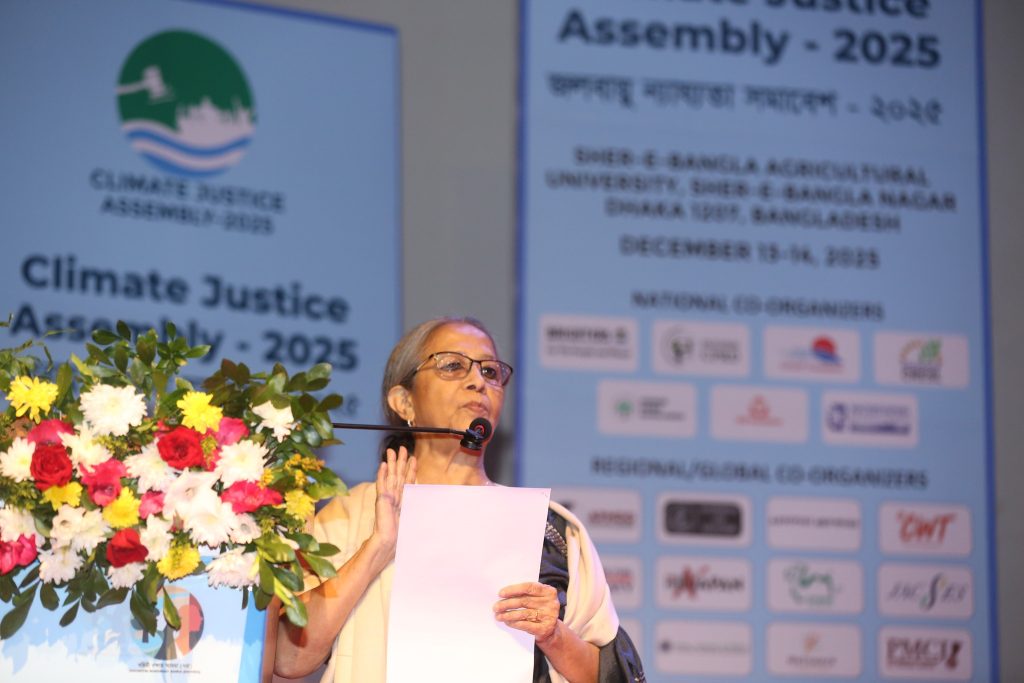
The Assembly was formally inaugurated through the symbolic release of pigeons by Sharmin S. Murshid, Adviser for the Ministry of Social Welfare and the Ministry of Women and Children Affairs of the Interim Government of Bangladesh. Prior to the Assembly, more than 1,000 national and international climate activists participated in a rally that began at the Sher-e-Bangla Agricultural University campus, passed through Agargaon, and concluded at the conference venue. The rally called for ensuring the accountability of global polluters.
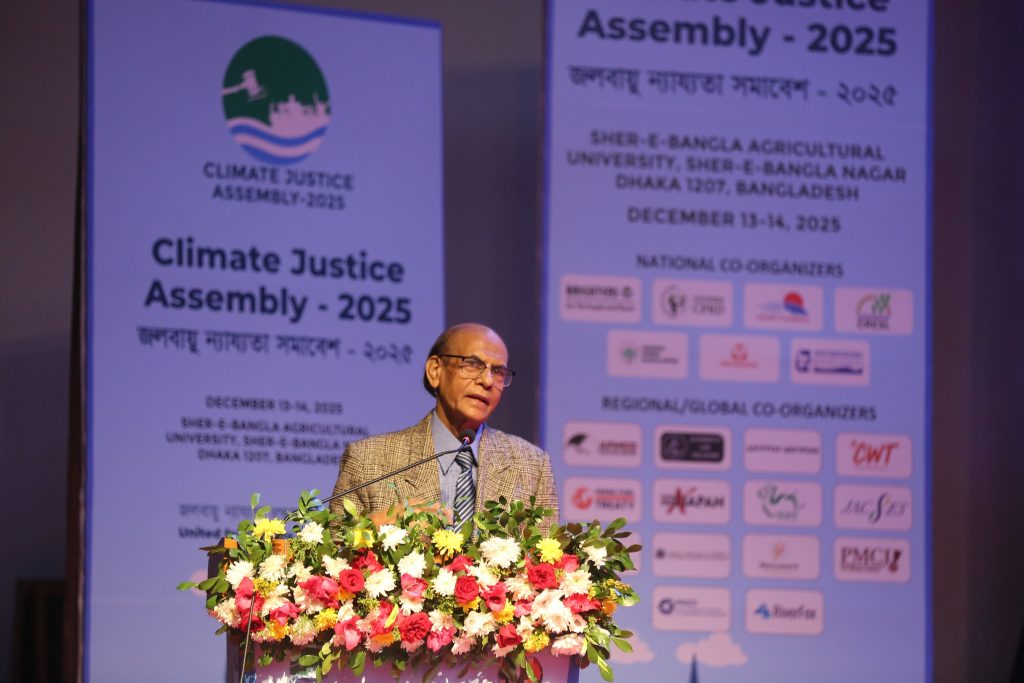
The Chief Guest of the Assembly was Farida Akhter, Adviser for the Ministry of Fisheries and Livestock of the Interim Government of Bangladesh. The opening session was chaired by Dr. Muzibur Rahman Howlader, Convener of the Assembly and former Chairman of the National River Conservation Commission. The session was moderated by Sharif Jamil, Member Secretary of Dhoritri Rokhhay Amra (DHORA). The welcome address was delivered by Sanjeeb Drong, General Secretary of the Bangladesh Indigenous Peoples Forum and a member of DHORA.
National co-organizers included Brighters, Brotee, Center for Participatory Research and Development (CPRD), COAST Foundation, Center for Renewable Energy Services Ltd. (CRESL), Mission Green Bangladesh, OAB Foundation, and Waterkeepers Bangladesh. Regional and international co-organizers included Asian Peoples’ Movement on Debt and Development (APMDD), the Fossil Fuel Non-Proliferation Treaty Initiative, Fossil Free Japan, LDC Watch, along with several other organizations.
In her inaugural remarks, Adviser Sharmeen S. Murshid stated that although Bangladesh bears minimal responsibility for global carbon emissions, it is among the countries most severely affected by climate change. She emphasized that Bangladesh is a frontline country in the climate crisis yet delays and inaction by countries of the Global North have resulted in disproportionate suffering for poorer nations. Referring to the responsibility of industrialized countries, she said, “We do not owe them; rather, they owe us. Climate justice is now about accountability and effective action.”
Chief Guest Farida Akhter emphasized that climate change can no longer be viewed merely as a technical or economic issue. “Climate justice means justice, survival, and accountability,” she said. Criticizing the continued dependence on fossil fuels, she highlighted the significant gaps in implementing commitments under global agreements such as the Paris Climate Agreement. She stressed the urgent need to meaningfully include women, indigenous peoples, and marginalized communities in all decision-making processes.
The keynote paper was presented by Lidy Nacpil, Coordinator of the Asian Peoples’ Movement on Debt and Development and Convener of the Asian Energy Network. She called for a rapid transition away from fossil fuels and stronger global support for climate-vulnerable countries. The keynote was responded to by Asad Rehman, Executive Director of Friends of the Earth UK. Solidarity statements were delivered by Ashish Damle, Country Director of Oxfam in Bangladesh, and Cainan Houghton, Deputy Regional Program Director of the Tara Climate Foundation. International speakers strongly criticized the failure of wealthy countries to deliver adequate and just climate finance.
Renowned economist Dr. Anu Muhammad stated that despite numerous political and environmental crises over the past 15 years, the interim government had an opportunity to address climate and environmental challenges but failed to do so. He warned that accepting loans in the name of climate finance could further increase national vulnerability and financial risk.
Assembly Co-convener MS Siddiqui remarked that the harmful impacts of projects such as the Rampal Power Plant, which civil society had long opposed, are now clearly visible. He emphasized the importance of ensuring meaningful participation of young people in government decision-making processes and noted that, as a signatory to international human rights instruments, Bangladesh can pursue accountability through international legal mechanisms.
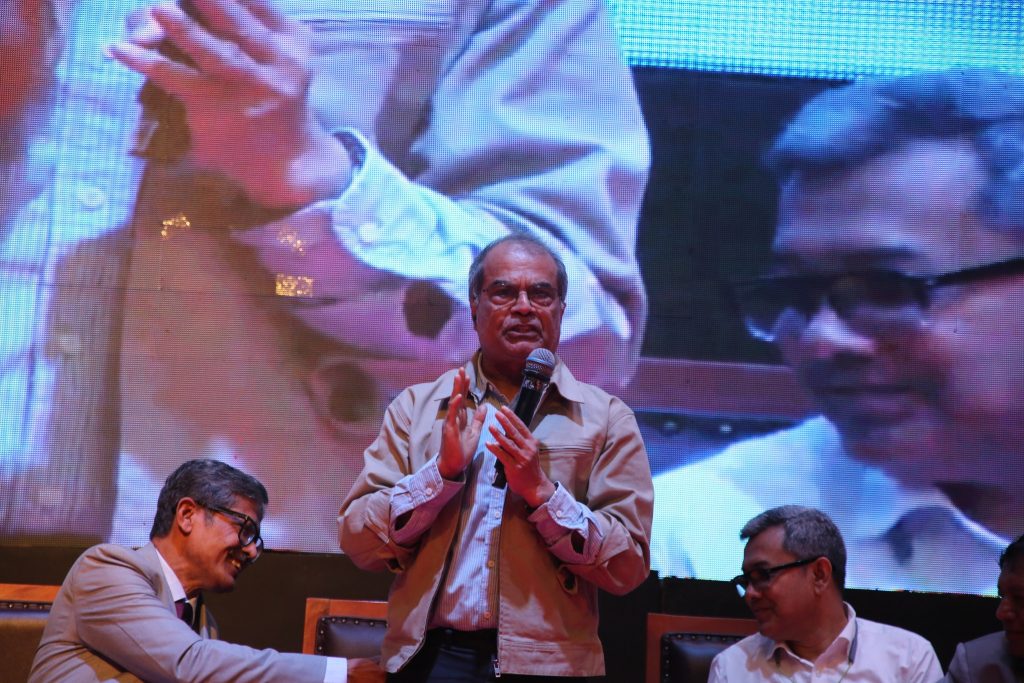
Asad Rehman of Friends of the Earth UK stated that it is unjust to burden poor countries with the costs of a crisis they did not create. He explained that debt and repayment systems continue to transfer wealth from the Global South to the Global North, causing southern countries to lose trillions of dollars each year. Making those least responsible pay the price, he said, is not only unjust but morally indefensible.
Cainan Houghton emphasized that the era of accepting pollution as the cost of development is over. Renewable energy-particularly solar power and battery-based urban systems offer a practical, just, and sustainable pathway for the future.
Harjeet Singh, Strategic Adviser to the Fossil Fuel Non-Proliferation Treaty Initiative, noted that climate justice is not only an issue between countries but also involves internal inequalities and the development models being pursued. He called for rejecting destructive development pathways promoted by the Global North and stressed the importance of strengthening national, regional, and South–South cooperation, with people and nature placed at the center of all decisions.
Shaheen Anam, Executive Director of Manusher Jonno Foundation, highlighted that poor and climate-vulnerable countries like Bangladesh are facing severe losses due to climate change. She noted that people living in char areas, haor regions, and coastal zones are under serious threats, with women and children being the most affected. Climate change is severely undermining women’s health, education, livelihoods, and overall well-being, she said.
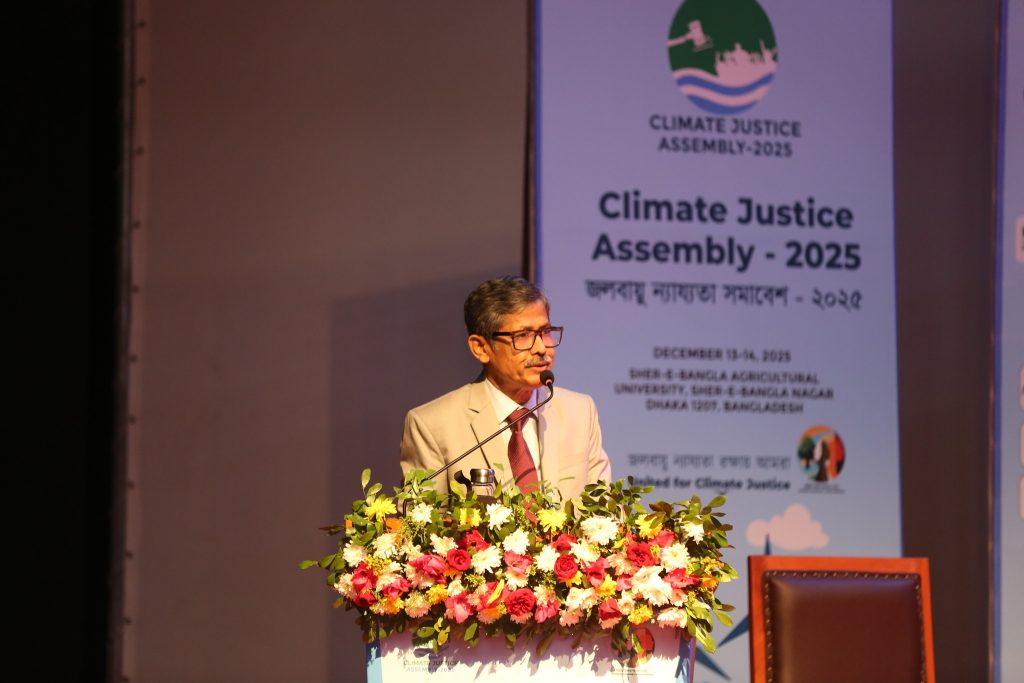
Sharif Jamil, Member Secretary of Dhoritri Rokhhay Amra (DHORA), criticized the IEPMP and MIDI plans as fundamentally inconsistent with Bangladesh’s climate realities. He stated that these plans increase dependence on expensive imported coal and LNG, impose heavy capacity payment burdens, and weaken prospects for a people-centered renewable energy future. He further pointed out that excessive power generation capacity is being created despite lower demand, resulting in large public expenditures on idle power plants, which goes against the public interest.
Speakers throughout the Assembly expressed deep concern over the growing gap between global climate commitments and actual action. They emphasized that delays and reluctance by wealthy countries in delivering climate finance are forcing millions of vulnerable people worldwide to struggle for survival.
Approximately 2,000 representatives including fishers, farmers, Indigenous peoples, women, youth, professionals, and students from coastal, haor, char, and Barind regions participated in the Assembly. Participants noted that climate change is already severely affecting Bangladesh’s agriculture, fisheries, food security, and livelihoods. They also raised concerns about river grabbing, poor resource management, and biodiversity loss, and criticized the failure of COP29 to make meaningful progress on global climate finance. Speakers called for an accelerated transition to renewable energy and stronger policy dialogue to ensure a just transition.
At the conclusion of the Assembly, an Eight-Point Draft Declaration on climate justice, environmental protection, and people’s rights was released. The declaration was presented by Sharif Jamil on behalf of Dhoritri Rokhhay Amra (DHORA). Organizers announced that the declaration would be formally submitted to the government and development partners. They expressed hope that it would be considered as an alternative to fossil fuel–dependent energy planning and would help pave the way for a just, renewable energy–based, and people-centered transition in Bangladesh.
The closing session of the Climate Justice Assembly 2025 was chaired by Dr. Mujibur Rahman Howlader, Convener of the Assembly.