

Bangladesh Urged to Strengthen Climate Diplomacy Ahead of UNGA 81 and COP31
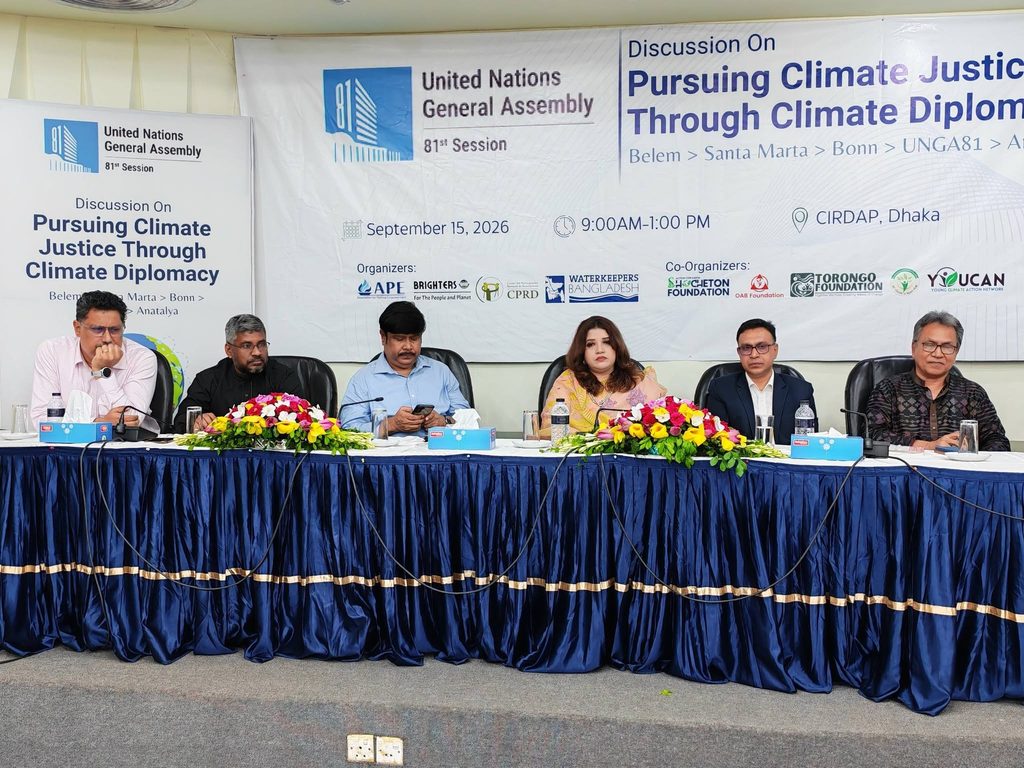
Dhaka, 15 September 2026: Bangladesh needs a stronger, more coordinated climate diplomacy strategy ahead of the 81st United Nations General Assembly (UNGA 81) and COP31, with climate finance, Loss and Damage, a just transition and gender-responsive policies at the heart of its international engagement, speakers said at a Dhaka dialogue on Tuesday.
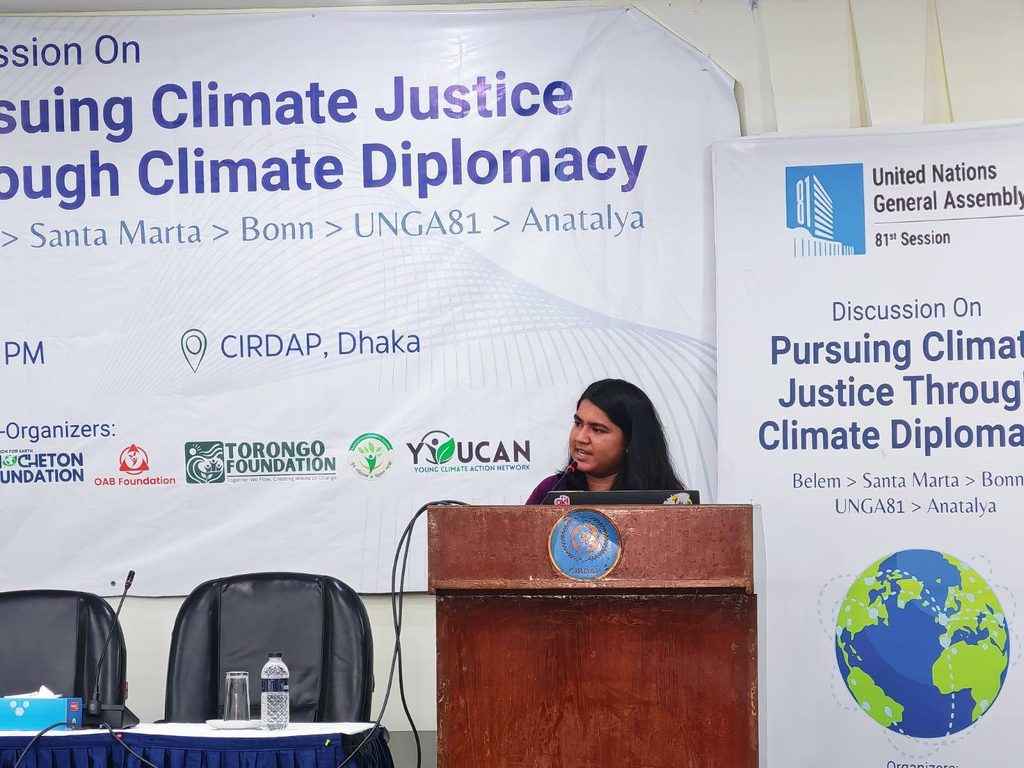
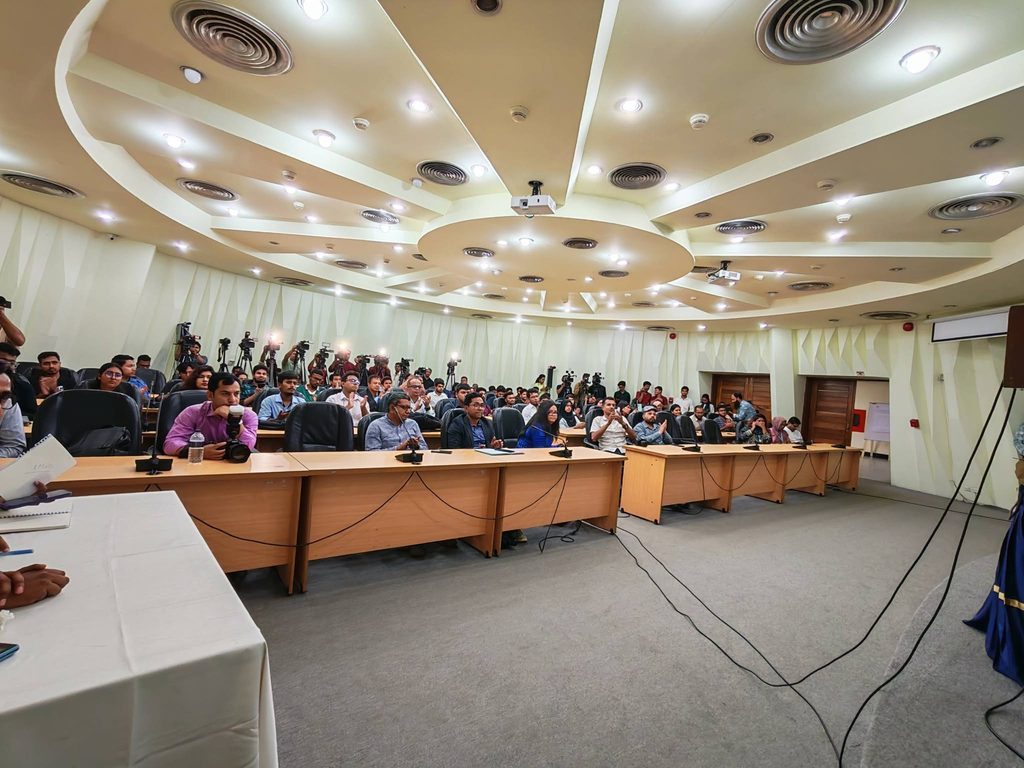
The discussion, titled “Pursuing Climate Justice Through Climate Diplomacy,” was held at the CIRDAP Auditorium, bringing together climate experts, diplomats and civil society representatives to discuss Bangladesh’s priorities as the global climate diplomacy process moves towards UNGA 81 and COP31 in Antalya.
Speakers stressed that international climate finance must move beyond pledges to actual, predictable and accessible resources for climate-vulnerable countries. They also called for grant-based finance that does not deepen the debt burden of vulnerable nations, alongside greater access to affordable clean technologies.
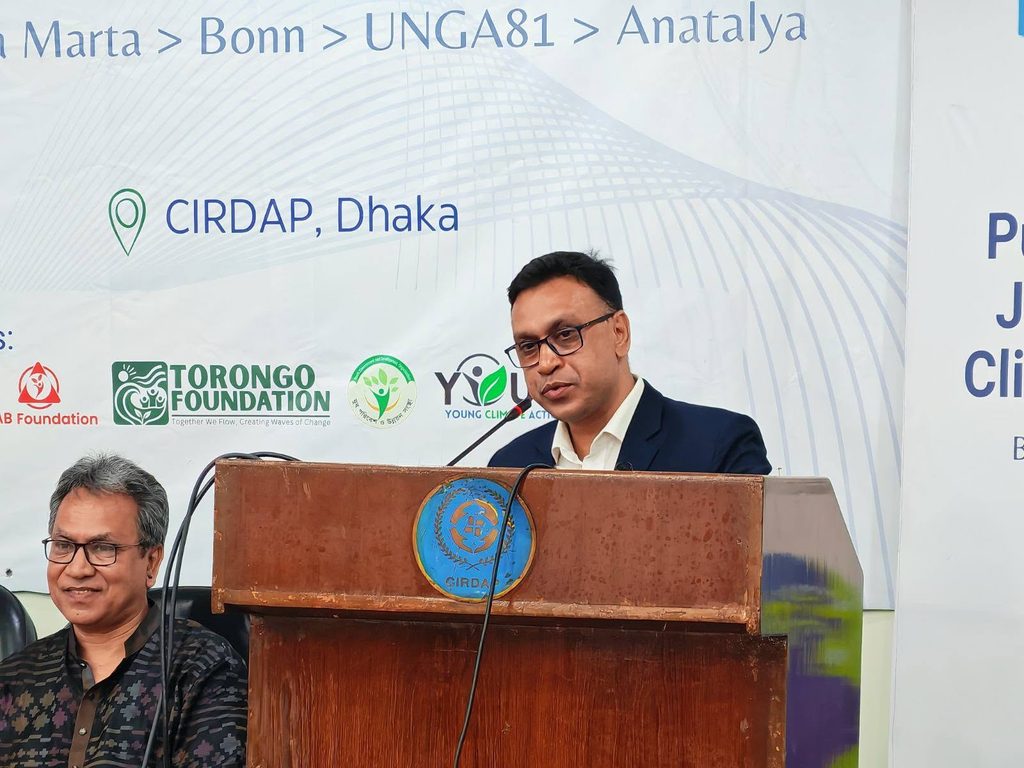
Shama Obaed Islam, State Minister for Foreign Affairs, said Bangladesh’s international engagement would focus on four priorities: advancing the Loss and Damage Fund and climate finance from commitments to implementation; securing predictable and grant-based finance; ensuring a genuine just transition that protects workers and communities; and strengthening gender-responsive climate policies, particularly in recognition of the impacts on women and children.
She also highlighted Bangladesh’s domestic efforts, including plans to excavate and re-excavate 20,000 kilometres of rivers and canals and plant 250 million trees over the next five years.
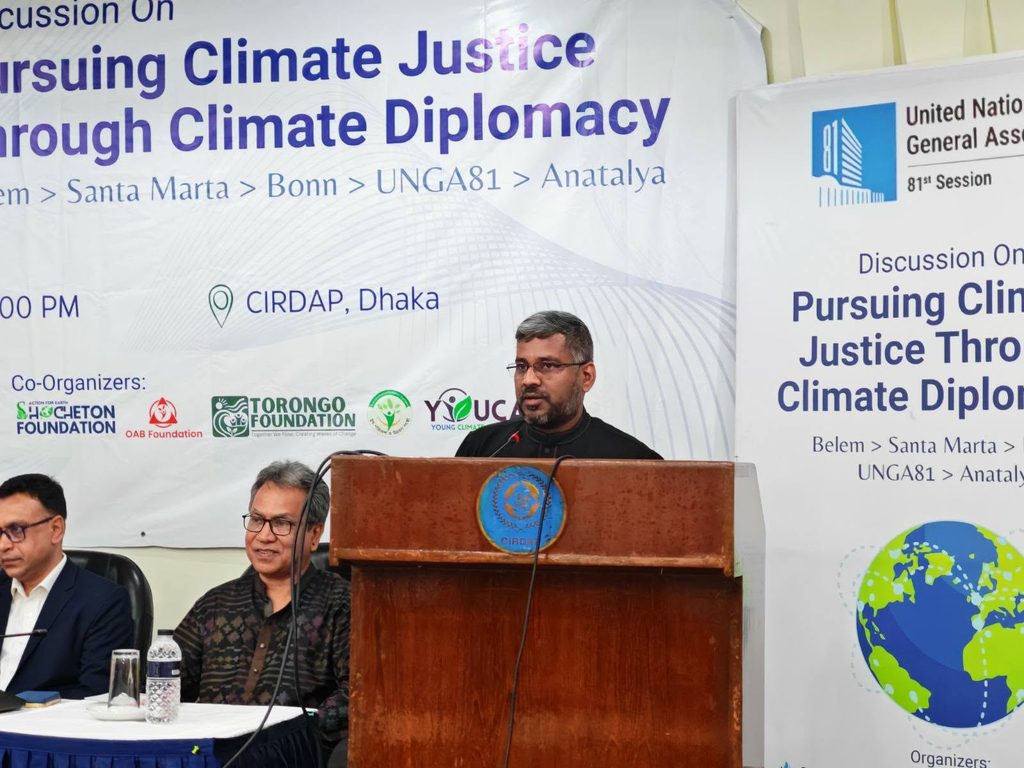
The need for stronger coordination within government was a recurring theme. M. Hafizul Islam Khan, Climate Negotiator of the LDCs Group, said effective climate diplomacy requires coordinated leadership from the Ministry of Foreign Affairs on diplomatic matters, the Ministry of Environment on technical issues, and the Prime Minister’s Office.
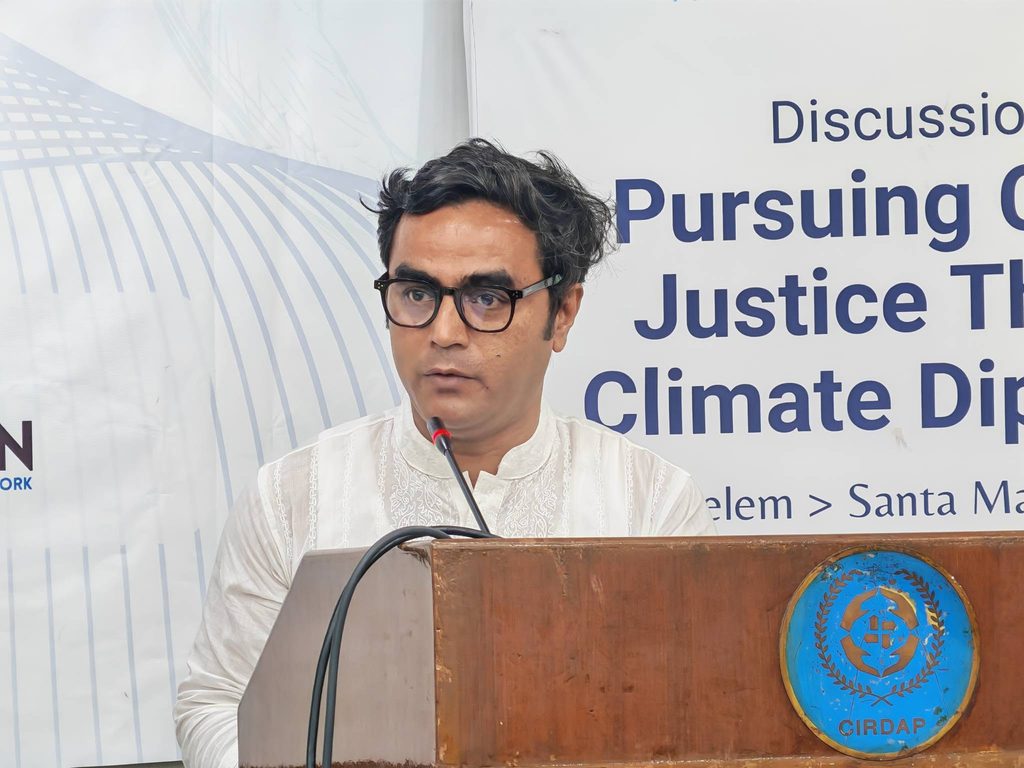
Professor Dr. Mahmudul Hasan called for stronger implementation and monitoring of Bangladesh’s existing commitments, wider access to decarbonisation technologies and measures to keep industries operational. Professor Dr. Kamruzzaman Majumder stressed the importance of close coordination between the environment and foreign affairs ministries so that Bangladesh’s priorities are effectively communicated on the global stage.
The discussion also highlighted the growing role of civil society and youth organisations in shaping Bangladesh’s climate diplomacy. Speakers emphasised that Bangladesh’s global engagement should reflect not only its vulnerability to climate change, but also its active role in advancing climate justice and a fairer global climate response.
The dialogue was jointly organised by Waterkeepers Bangladesh, Association for Political Empowerment (APE), Brighters, and Center for Participatory Research and Development (CPRD), with Shocheton Foundation, OAB Foundation, Torongo Foundation, Youth Environment and Development Organization (YEDO), and Young Climate Action Network (YOUCAN) as co-organisers.